Supervisor:
Giambattista Zaccariotto
As a major maritime gateway to Athens, Piraeus has developed through the constant overlap of infrastructure, trade, and urban expansion, processes that have continuously reshaped its spatial identity over time.
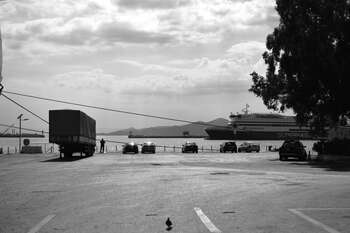
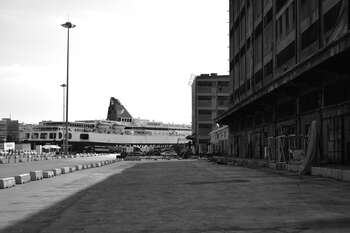
The coexistence of industrial zones, transport networks, and residential districts has produced a dense and highly fragmented urban condition, where different scales and functions intersect without clear transitions. At the same time, shifts in industrial activity and port operations have left behind partially abandoned or underused sites that interrupt the continuity of the urban fabric. These voids not only reinforce the separation between the city and the sea, but also reveal the port as a territory in continuous transformation, shaped by phases of growth, decline, and adaptation rather than by a fixed or stable condition.
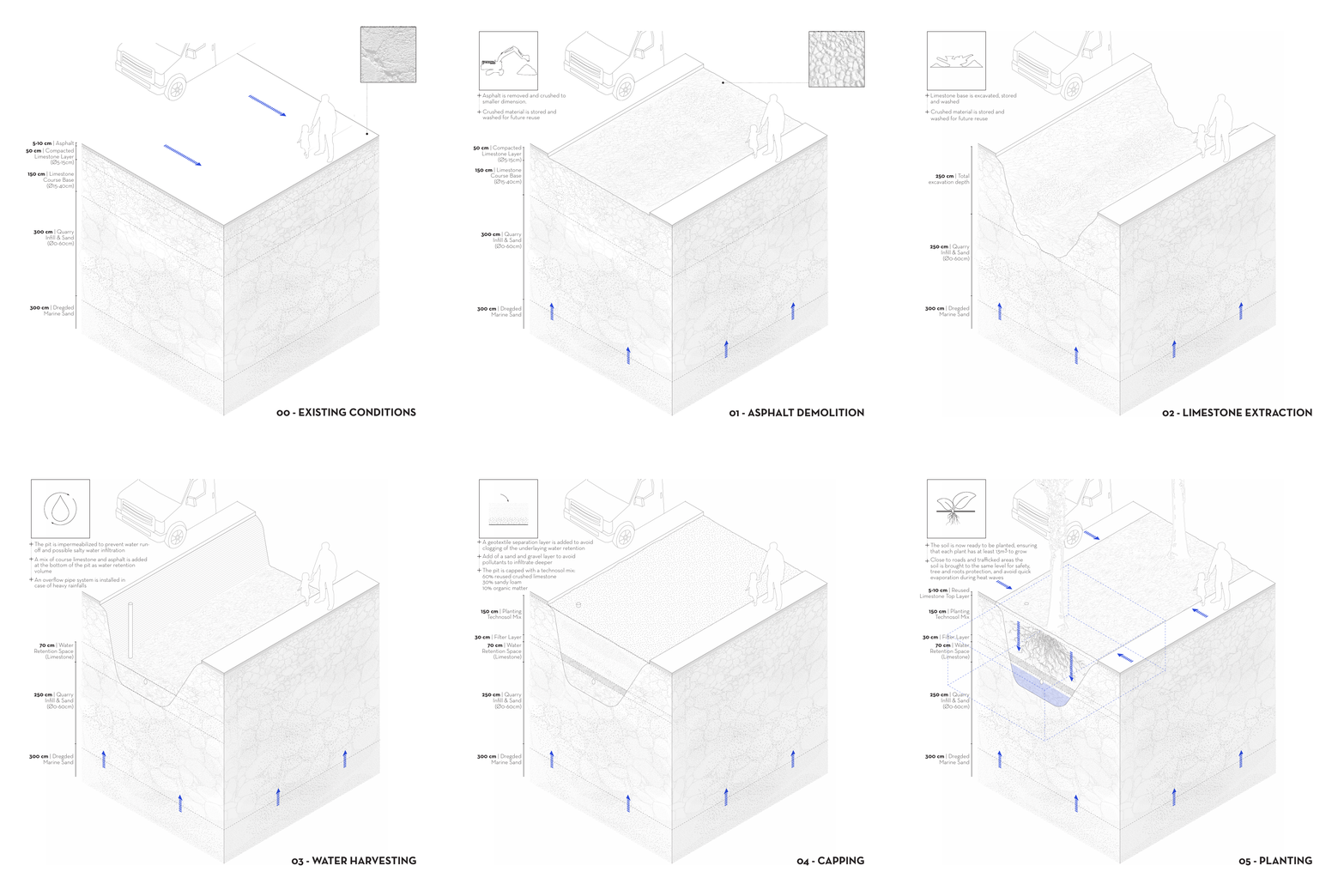
The Port of Piraeus is the result of successive phases of artificial construction and land reclamation, rather than a natural stratification. The existing substrate is largely composed of engineered infill materials, predominantly limestone aggregates extracted from nearby quarries and deposited to expand and stabilize the coastal edge. Over time, this has created a layered ground structure in which compacted fill, construction debris, and heterogeneous sediments form a dense and highly modified soil profile. The resulting condition is both structurally functional for port operations and environmentally limited, with low permeability, minimal organic content, and reduced capacity for vegetation.
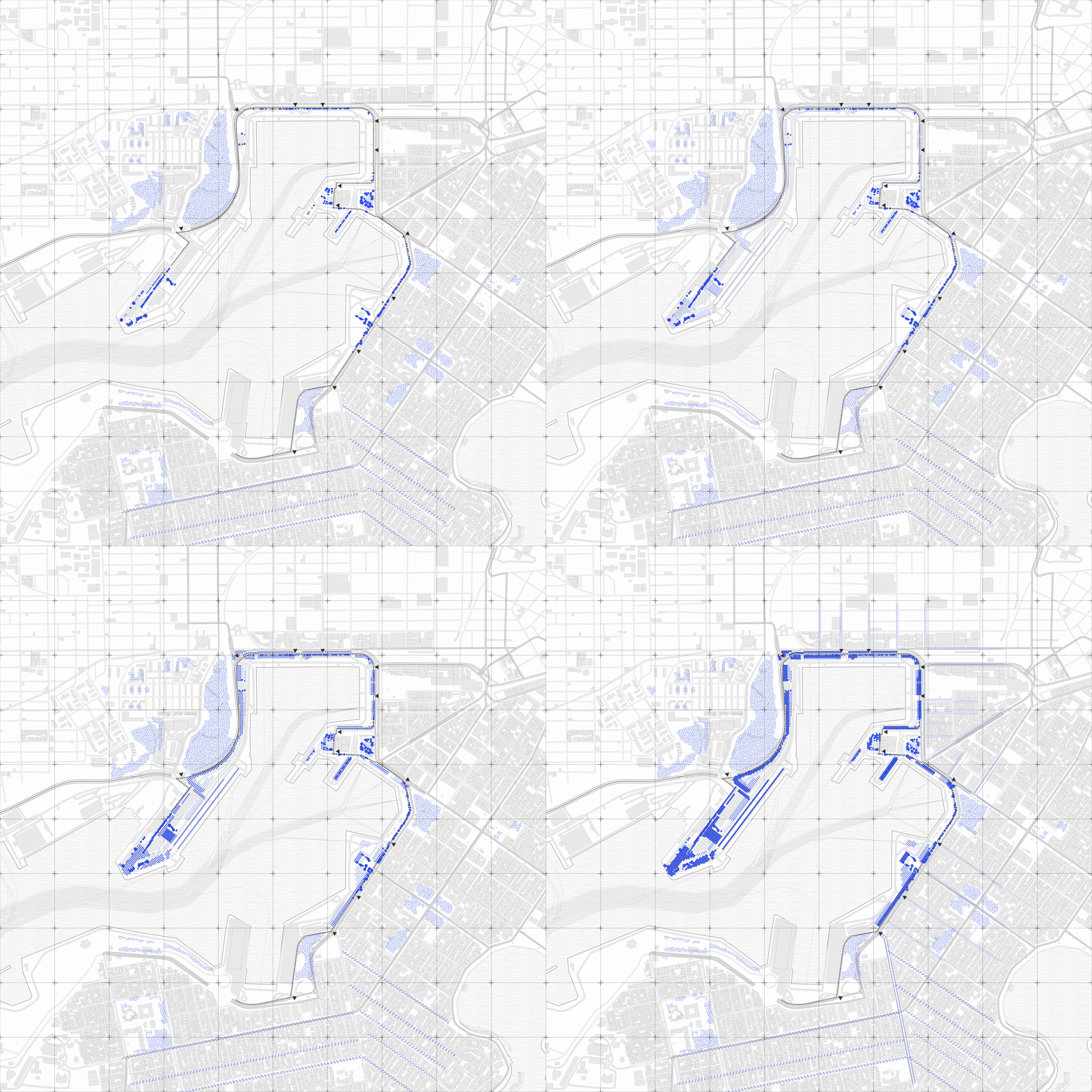
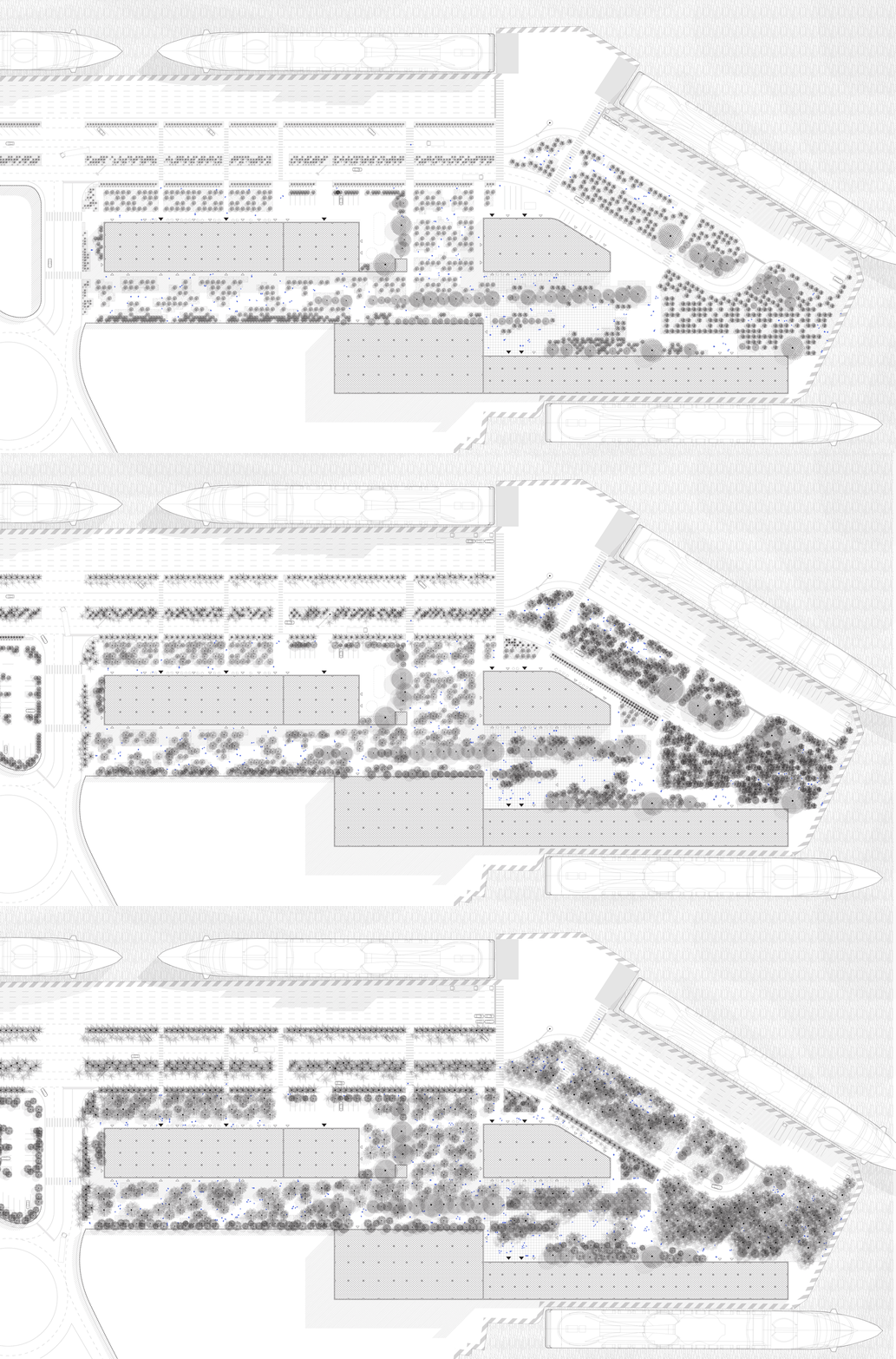
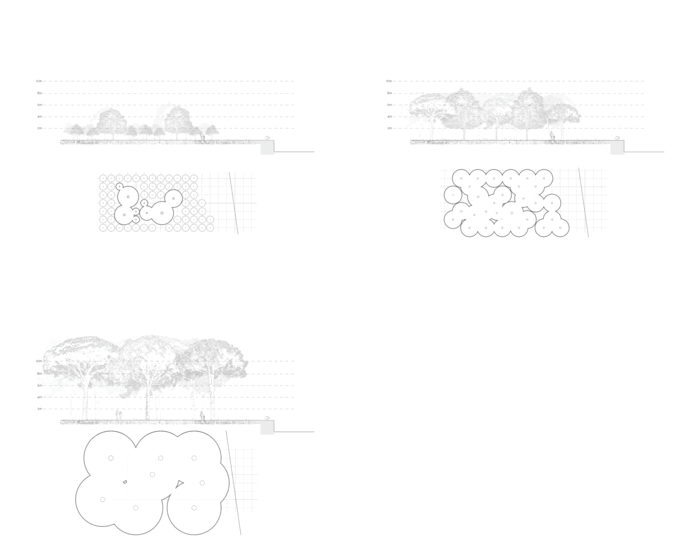
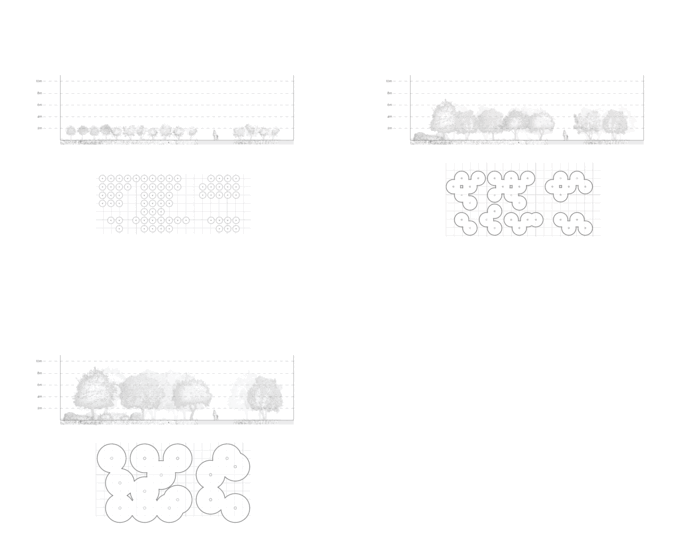
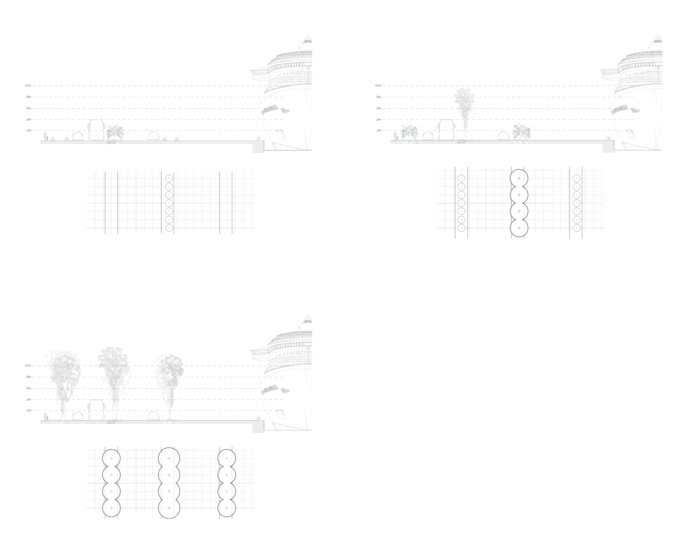
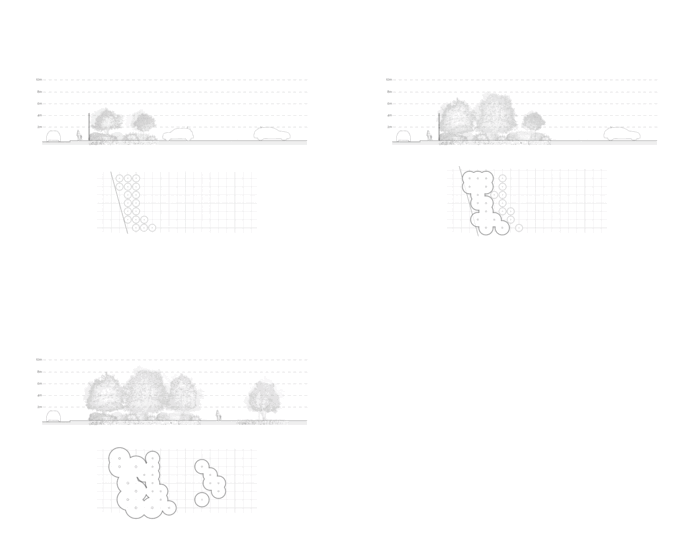
Within this context, a critical design and methodological question emerges: how can a project anticipate and incorporate uncertainty from its very beginning? How can this be done reusing the most of the materials extracted from construction? Rather than treating construction and implementation as a linear process with a fixed end state, it becomes relevant to understand the entire duration of intervention as an active phase of the project itself. In this sense, phasing is not merely a technical or sequential tool, but a conceptual framework that allows the site to remain active, inhabited, and evolving throughout the transformation process. The project therefore operates through time as much as through space, acknowledging that the “becoming” of a place is part of its design, not only its final condition.
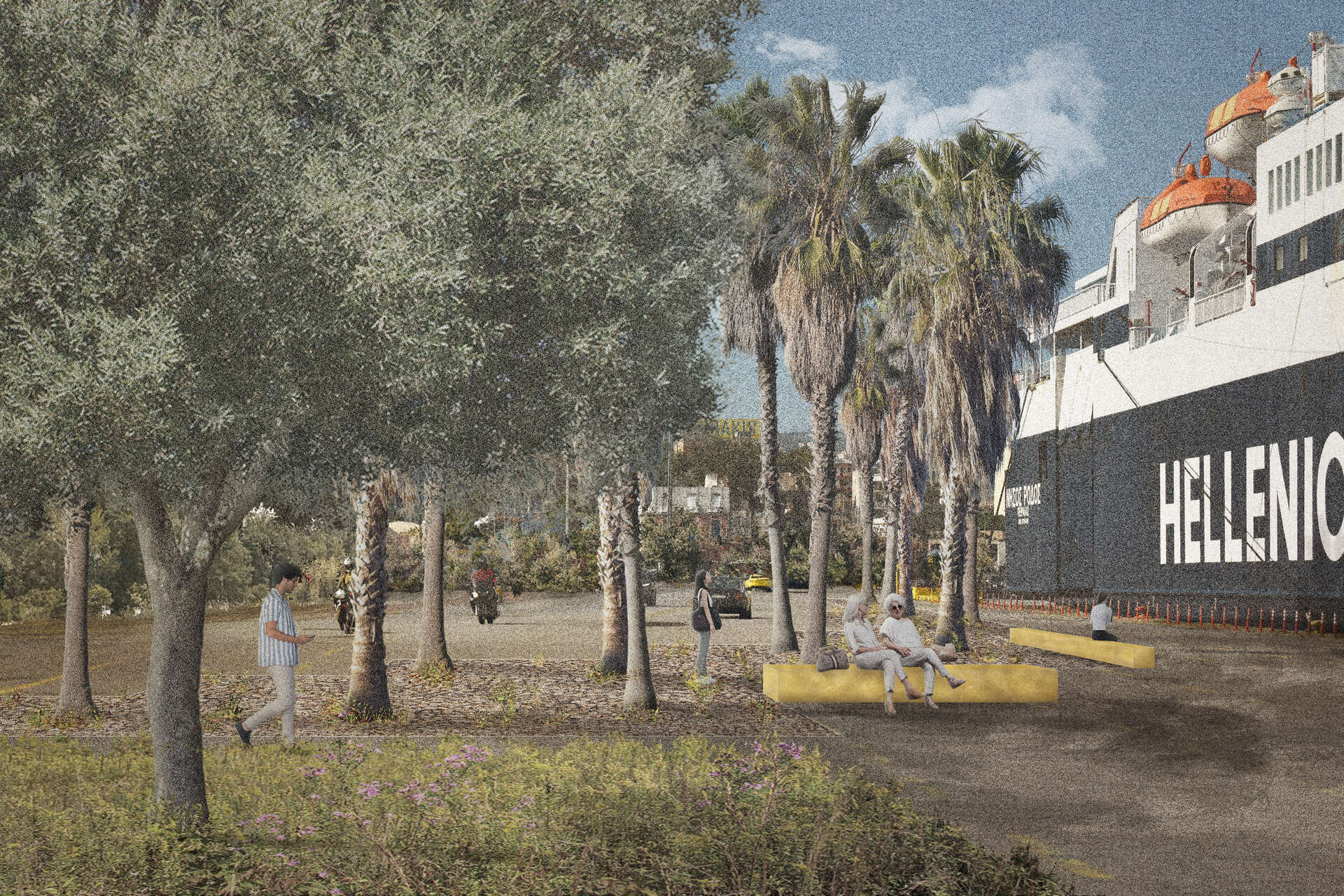
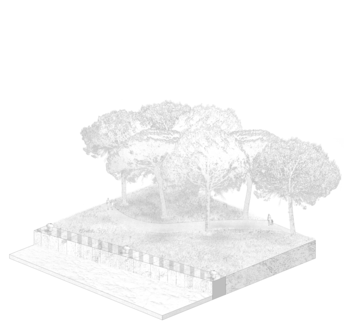
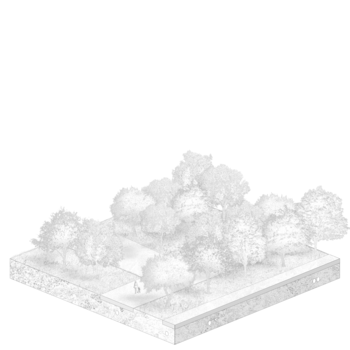
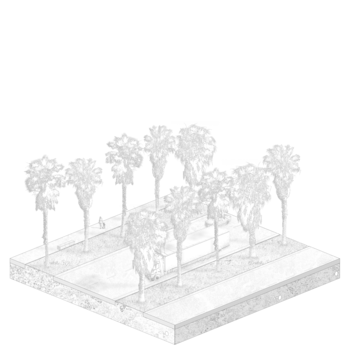
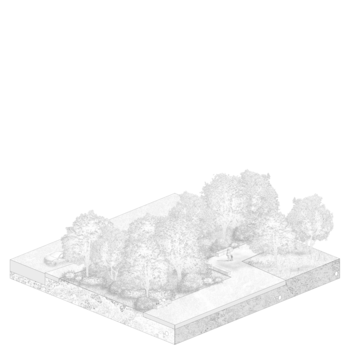
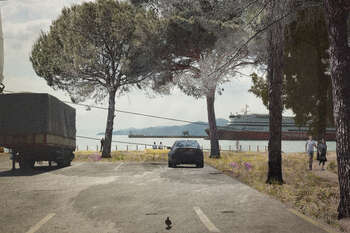
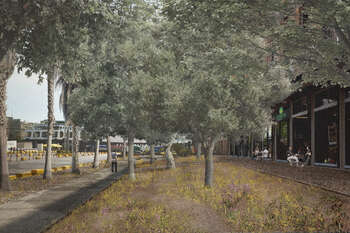
This project proposes the transformation of Piraeus into a hybrid public landscape that responds to environmental, spatial, and social conditions. It addresses the reduction of urban heat through the introduction of vegetation and the reconfiguration of extensive hardscaped surfaces, improving both ecological performance and the overall environmental comfort of the port. At the same time, the intervention operates as a process of reappropriation, reopening underused or inaccessible areas and gradually returning parts of the waterfront to the city. In doing so, it strengthens the relationship between the port and the surrounding neighborhoods, shifting its role from a closed infrastructural system to a more open urban interface.


Contact
Francesco Di Lucchio
francescodilucchio98@gmail.com / LinkedIn / Full Project Booklet