
Supervisor:
Karin Genevieve Helms
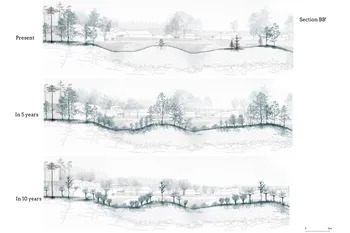
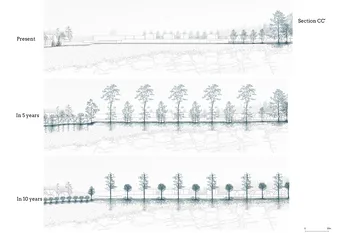
By engaging broad community participation in the planning, design, and management processes, the project follows a three-step approach — replanting, pollarding, and bioengineering — to transform fragile, erosion-prone areas into resilient, multifunctional ecological landscapes.
Endangered Cultural Agricultural Heritage
Historically, this method provided sustainable resources for firewood and livestock fodder. In Norway, pollarded trees were a key feature of traditional agricultural landscapes.
To preserve this heritage, it is essential to explore innovative applications. For instance, since pollarding produces a large amount of living plant material, could it be integrated into soil bioengineering and Nature-based Solutions?

Eroded and Vulnerable Ravine Landscape
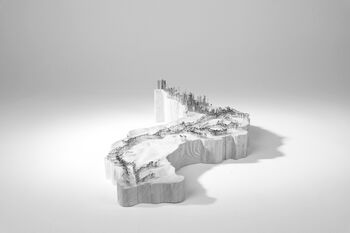
In the vast farmland between Oslo and Gardermoen Airport lies the Romerike Landscape Conservation Area, dedicated to preserving Norway's most characteristic ravine landscapes. In 2020, Gjerdrum — a key transport hub in the area — experienced a deadly quick clay landslide. The disaster was linked to altered river flows, topographic changes, and rapid urban development, which increased erosion and slope instability.


Landscape Ecology Concept
This project proposes a nature-based approach over traditional engineering by applying landscape ecology principles.
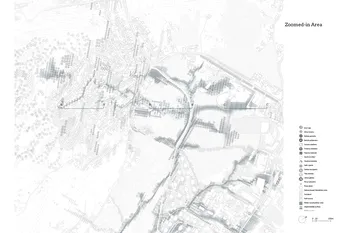
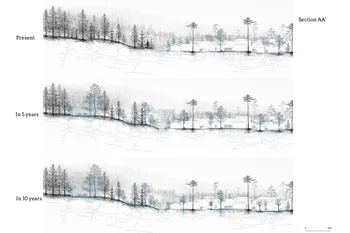
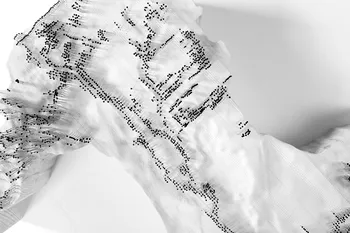
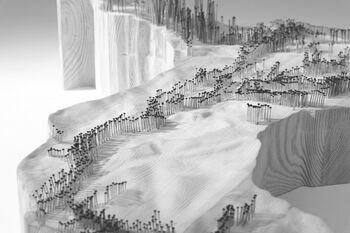
The strategy begins with watershed analysis to locate areas vulnerable to erosion, flooding, and fragmentation. An ecological concept follows, focused on restoring riparian corridors, increasing edge diversity, and adding stepping stones for habitat connectivity.

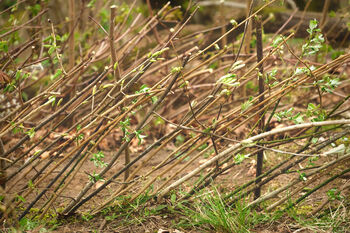
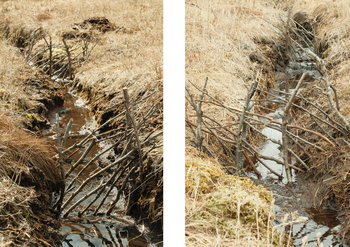
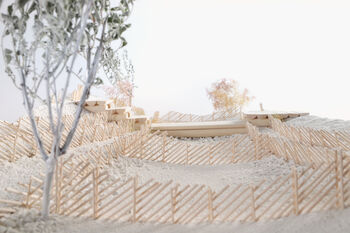
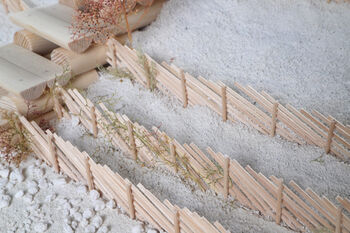
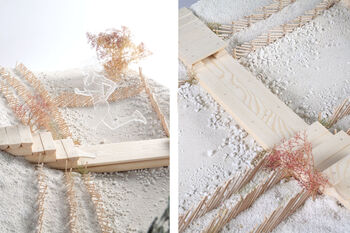
Pollarding is applied at the right stage to drain excessive water and boost biodiversity. Pruned branches are reused as living stakes to stabilize slopes and slow water flow, creating resilient, multifunctional landscapes.

The system is strongly supported by the Norwegian tradition of dugnad — collective community participation. By integrating traditional ecological knowledge with contemporary landscape strategies, pollarding is not only repurposed as a tool for ecological restoration but also becomes a bridge for cultural heritage conservation and the cultivation of community identity. It offers a replicable, community-based model for addressing ecological challenges in the context of climate change.


Contact

Hui Zheng / huizhengim@gmail.com / +47 463 99 884