Supervisor:
Giambattista Zaccariotto
Once, the coastal landscape of Cavallino-Treporti was characterised by pristine dunes - vital ecosystems shielding the land from the sea. Over time, land reclamation for agriculture and tourism-driven urbanisation have erased significant stretches of this dune landscape, leaving the land vulnerable to wind, waves, storm surges, and, in the near future, rising sea levels.
In light of this growing threat from the sea and climate change altering tourism patterns, an urgent opportunity emerges to reimagine the coast of Cavallino-Treporti. This project proposes to restore, expand, and reconnect the dunes as a living system, forming a buffer in between sea and land. The concept is not just one of defence, but of continuity too - linking the privatised and fragmented coast through an uninterrupted dune landscape, counteracting the ongoing processes of urbanisation and coastal erosion.
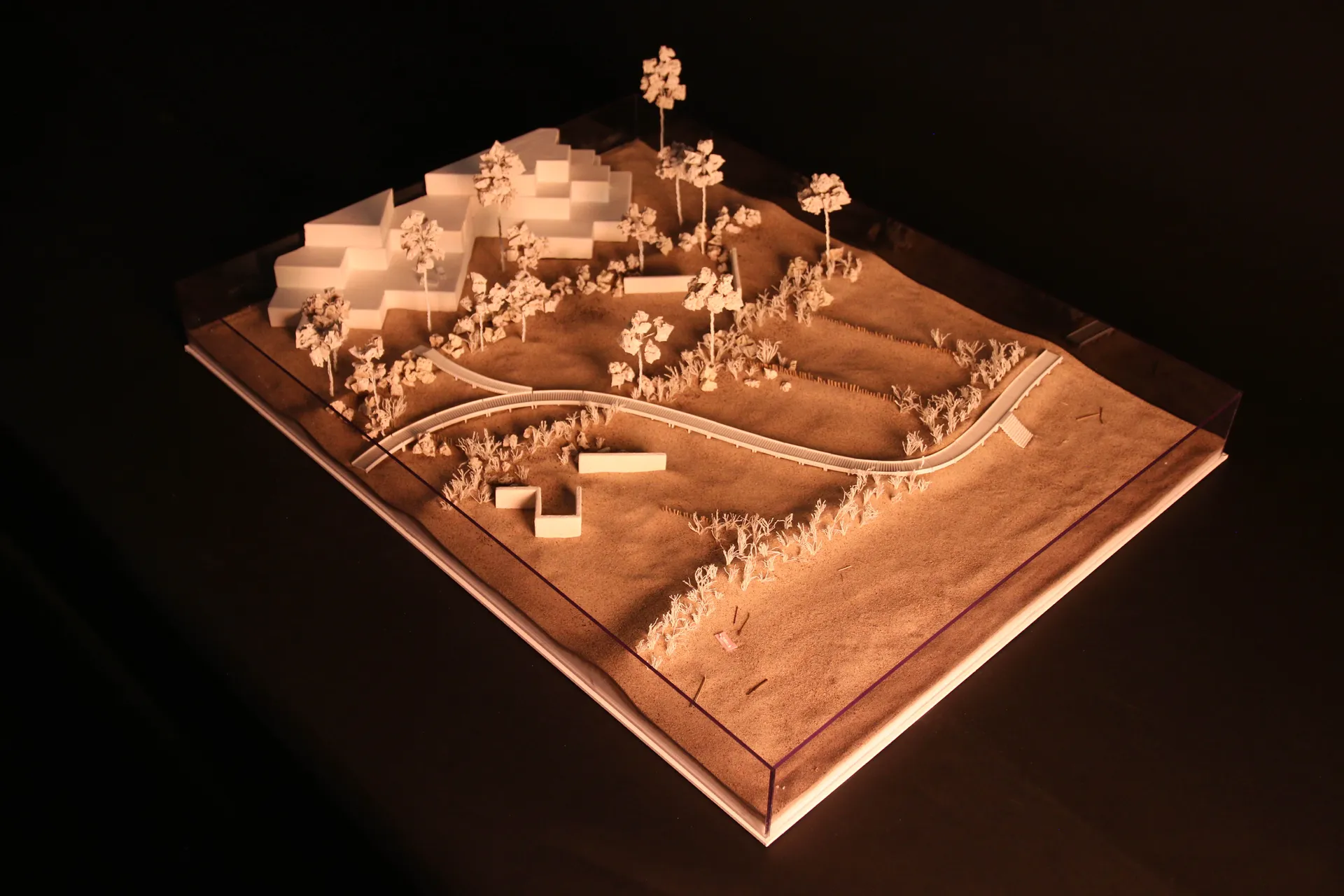
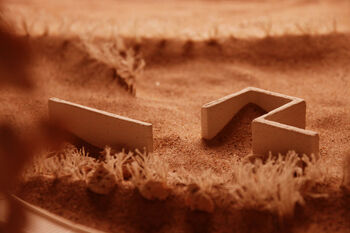
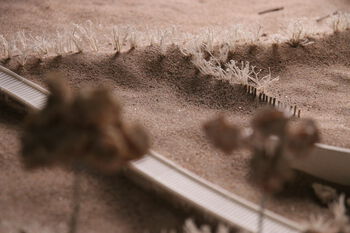
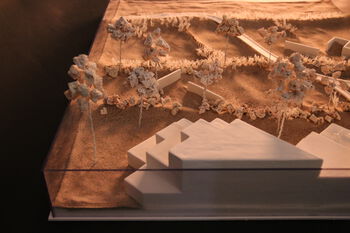
The dune restoration process begins with man-made elements: sand mounds, fences, and planted dune vegetation arranged in a grid corresponding to the coastline and the prevailing north-eastern winds. Natural flows take over, as wind-blown sediment accumulates, and plant life takes root. A new dune ecosystem emerges in a time span of 20–30 years.

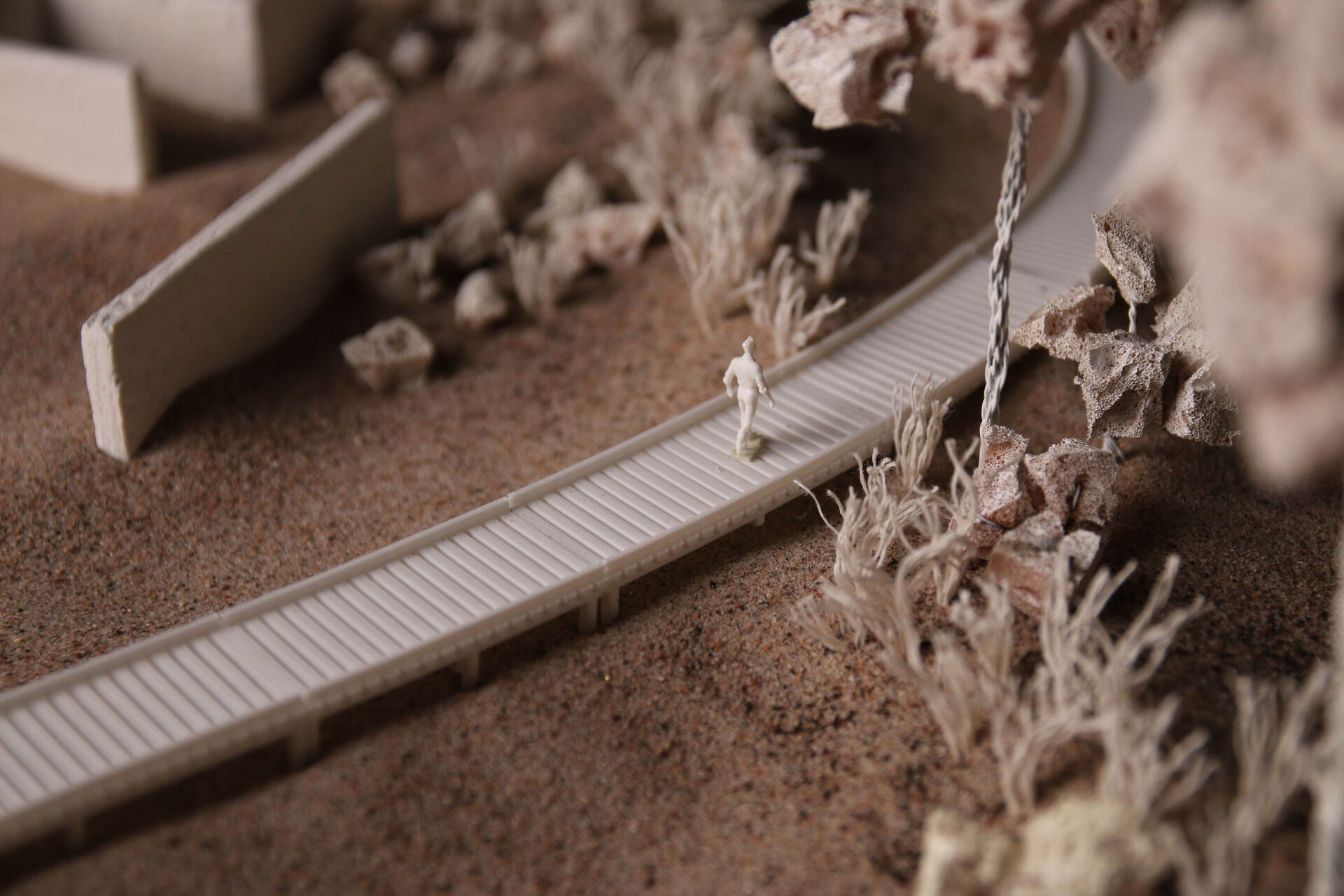
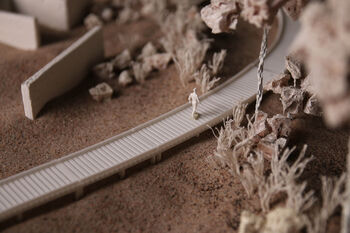
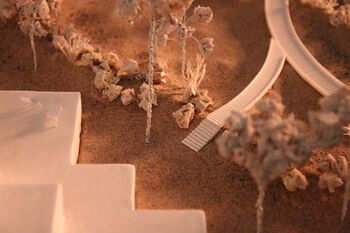
A conceptual guide plan applies this approach along the entire 13-kilometre length of Cavallino-Treporti’s coast. By implementing the grid, dunes will rise to 4 metres above the current sea level and will span 60–80 metres in width over time. Boardwalks will connect the full length of the coast, allowing access while preserving the delicate dune vegetation.

To accommodate the expanding dunes along a heavily urbanised coast, two strategies emerge: 1. Adapt and 2. Retreat. The Adapt strategy focuses on areas with flexible land use and lightweight structures -campsites and cabins- where current activities can exist within the developing dune landscape.
The Retreat strategy targets denser urban zones with larger buildings, where current activities transfer inland, and structures are -partially- dismantled. A selection of walls from the existing buildings remains intact, becoming sand-accumulating ruins that reinforce the dunes.
Through these interventions, natural processes reclaim their role in the coastal landscape. Time, wind, and continuously shifting sands shape an ever-evolving coast, co-creating a living system that adapts to change.




Contact

Lisan Westerhof / lisanwesterhof@hotmail.com / +316 37172293 / LinkedIn