
Supervisor:
Halvor Weider Ellefsen
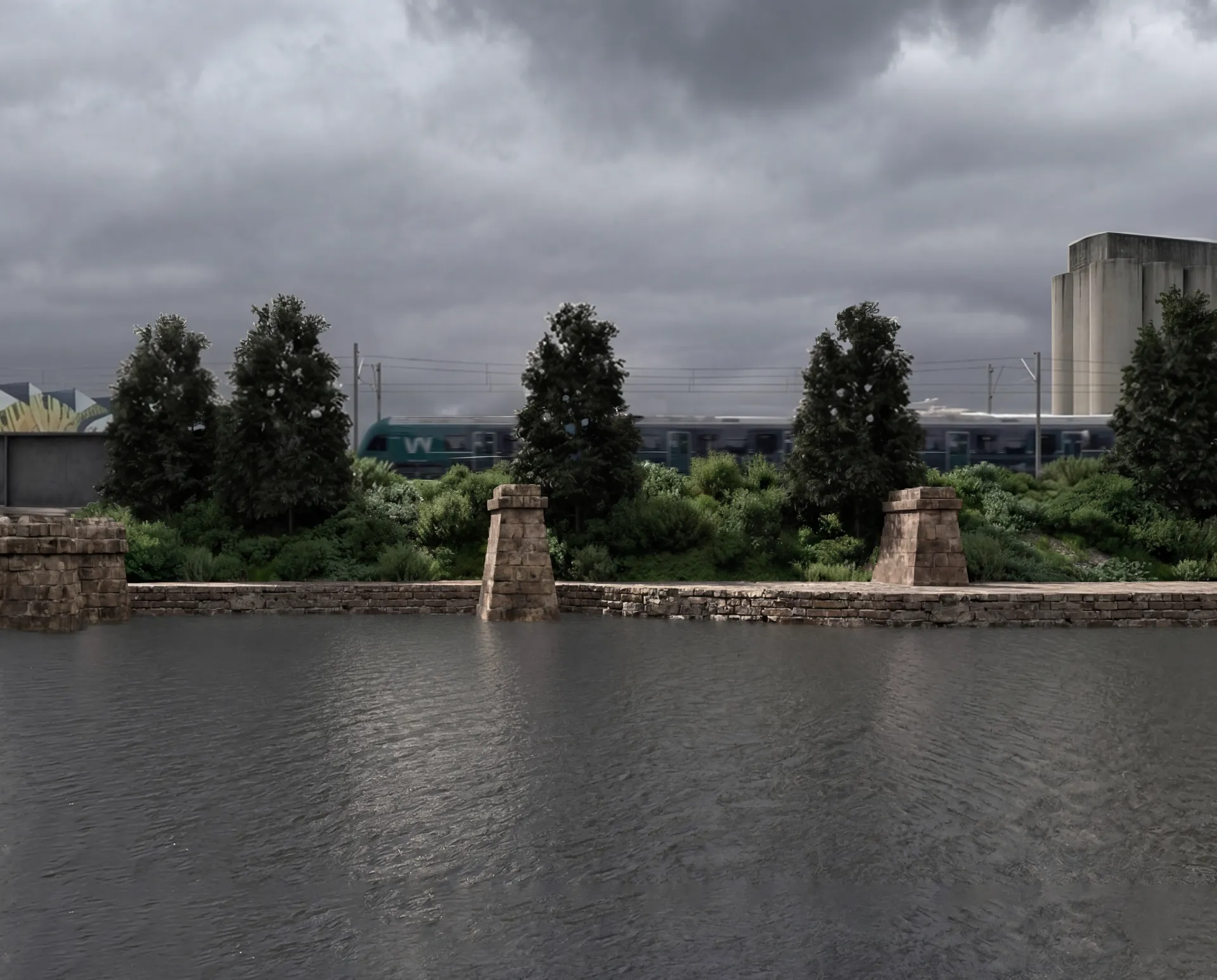
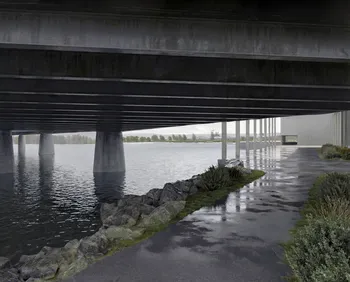
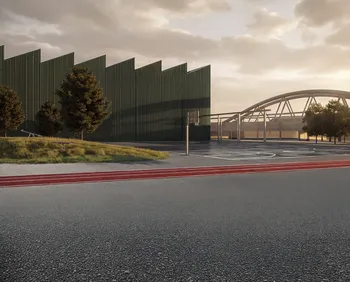
The project is situated on Holmen, an active industrial harbour island in Drammen that is expected to maintain its operations for decades to come. As the city undergoes a major transformation of its waterfront, the urban centre of gravity is gradually shifting toward the river mouth, making Holmen an increasingly central and visible part of the city.
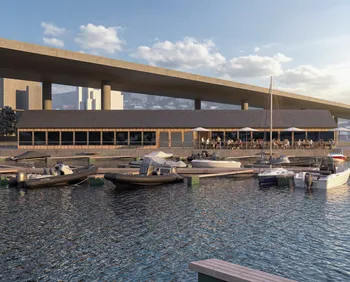
This unique condition, where industrial persistence meets growing urban centrality, provides a critical context for exploring how public urban functions can coexist with, rather than replace, industrial activity. The project investigates how such integration can contribute to a more resilient, inclusive, and layered urban environment.

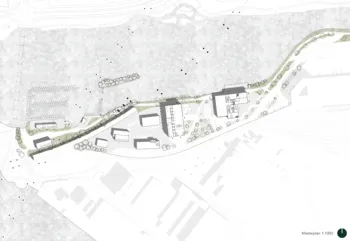
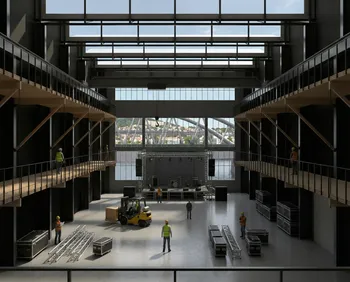
Central to the project is the idea of industrial preservation and affirmation. Based on careful analysis of Holmen, the surrounding city, and existing regulations and development plans, the northern part of the island is identified as a strategic area for intervention.
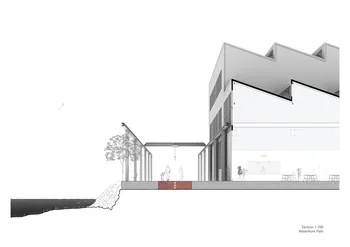
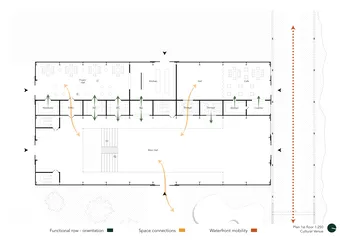
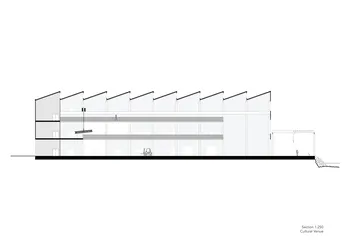
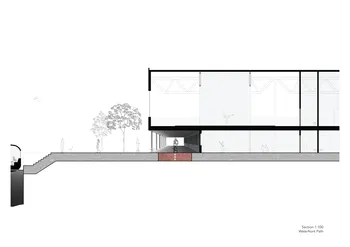
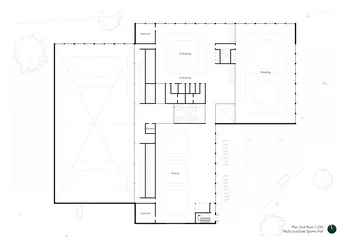
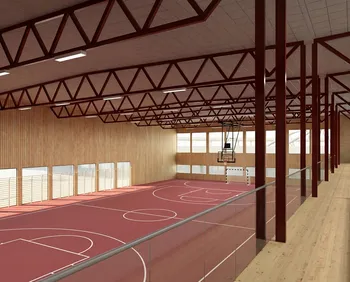
The project follows a bottom-up approach and is structured around five architectural interventions that together form the proposal. Four of these interventions work through the transformation and reuse of existing buildings and spaces, while the fifth introduces a new public passage that connects them into a coherent urban sequence. Rather than a single comprehensive redevelopment, the project proposes a collection of precise actions that together offer an alternative approach to waterfront transformation. An approach that embraces industrial heritage as an active and valuable component of the contemporary city.




Contact

Nikolai Mathisen / +47 906 54 991 / nikolai.mathisen@gmail.com / LinkedIn / https://www.nikolaimathisen.com/