Supervisor:
Andrea Pinochet, Lina Broström
The building industry has a waste problem. In 2022 alone, the European Union generated 2 233 million tons of waste, and a third of that came from construction and demolition. The Norwegian government has proposed that pollution must be reduced by 70 to 75 percent within 2035.
To be able to do this we must change as an industry. We have to become more aware about what material we use. What is it made from? What are the processes behind it? What happens to it when it’s no longer needed and has become waste?
In 2026 the Oslo architecture Triennale is held aiming to explore themes around the question: “What if nature came first?”
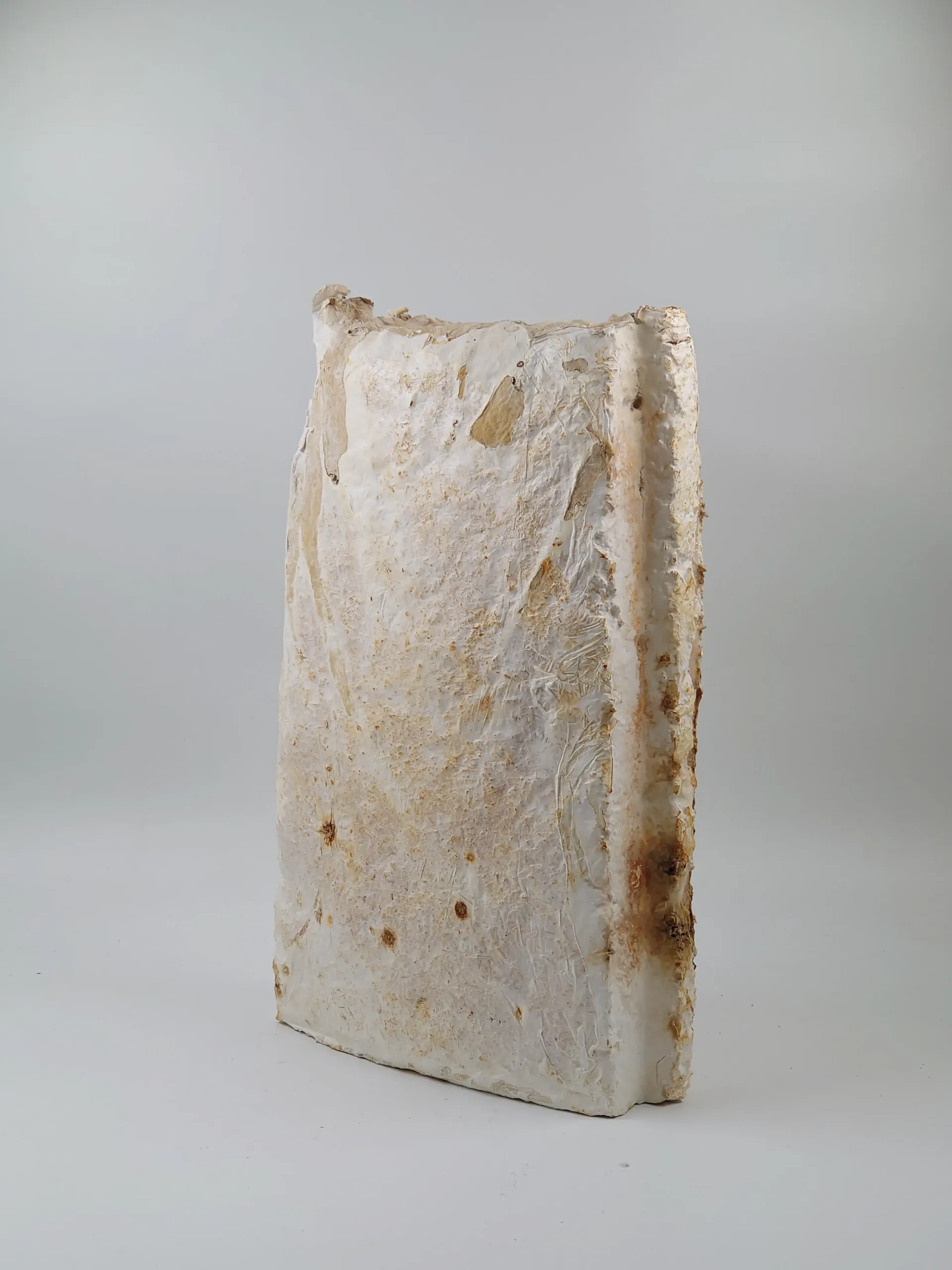
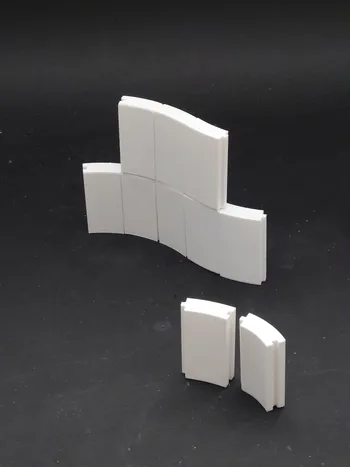
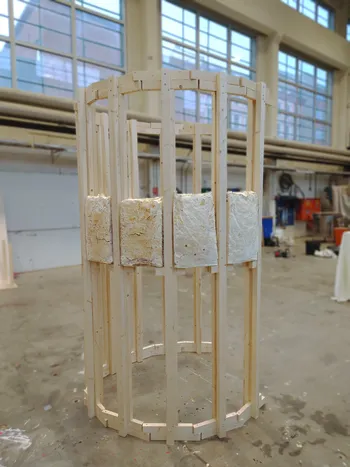
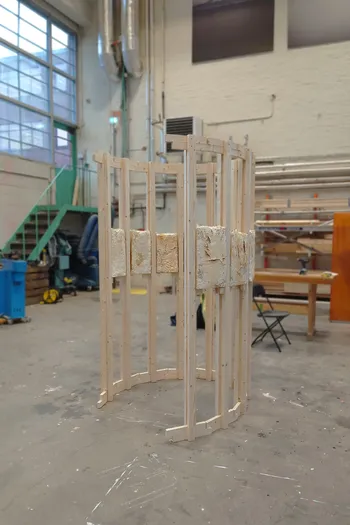
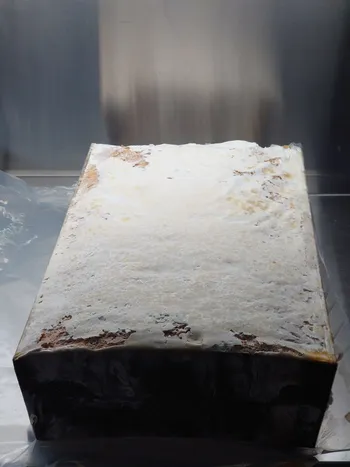
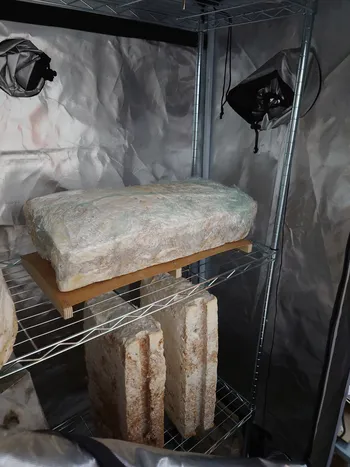
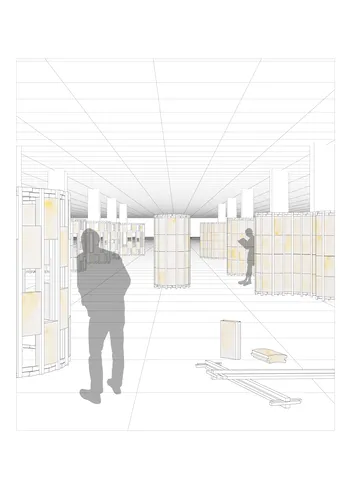
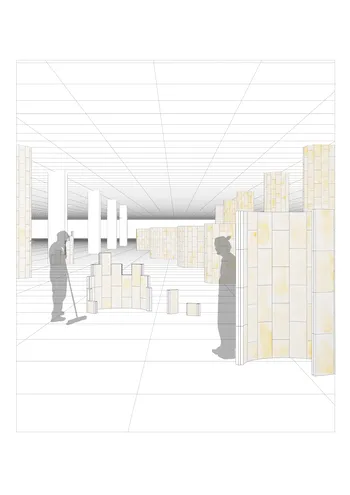
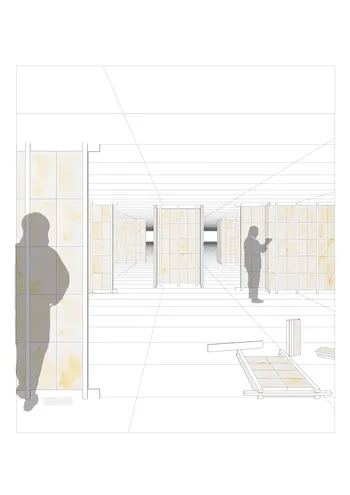
My thesis tries to learn from nature by researching fungi. Looking at it both as a material and as a living organism. The goal has been to put this research into designing a pavilion. Can a living organism like fungi shape spaces?
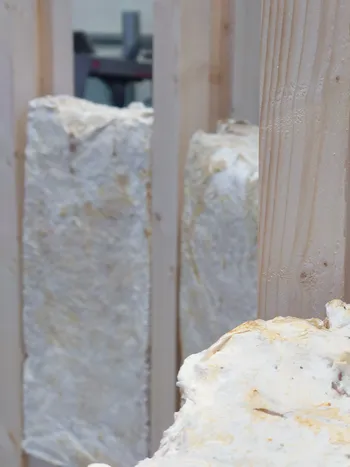
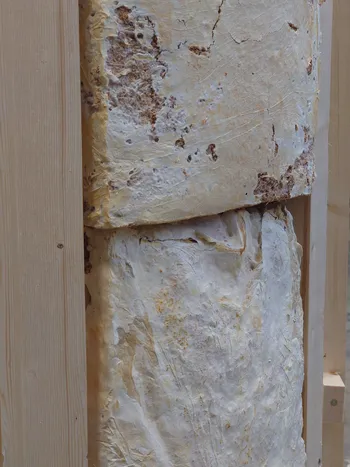
The use of mycelium in architecture is at a starting point. We know that fungi can bind together organic materials with its roots called mycelium. Research is looking at ways of using this mycelium to create composite materials, by growing fungi in different types of organic waste.
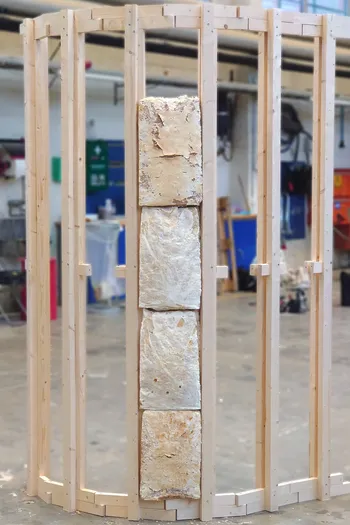
Mycelium bio composites are being tested and, in some cases, sold as light materials like packaging, acoustic panels and thermal insulation. Some have even tried to look at ways of increasing its load carrying capacity, to see if it’s possible to use it as a load carrying block.
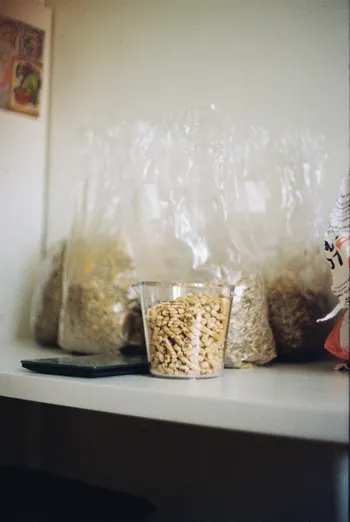
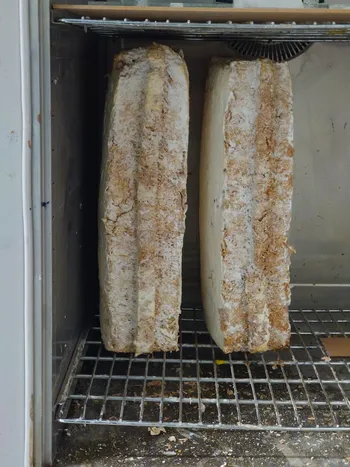
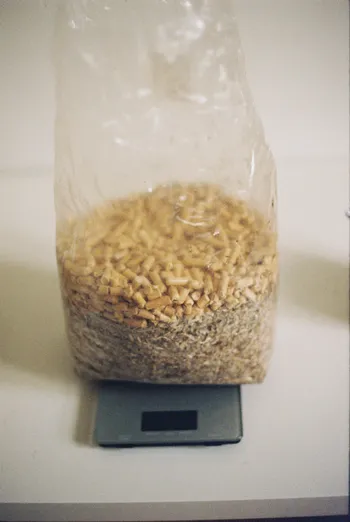
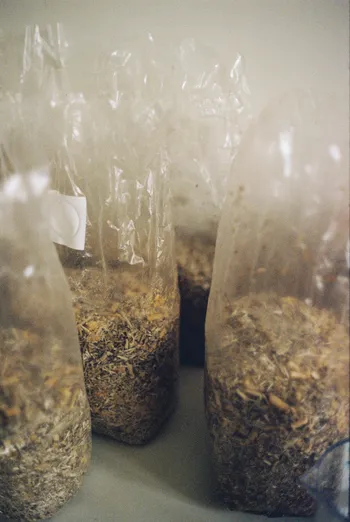
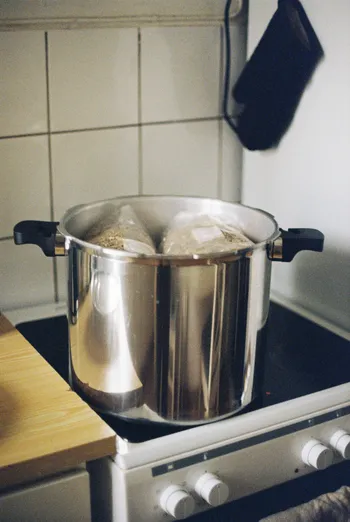
My thesis aims to understand fungi material not only for its technical and environmental properties but also for the processes behind the creation of the material. How do we create a good habitat for fungal growth? Is it possible to scale up production? What are the risks when producing a block made from mycelium?


Contact

Peder Idsøe Røed / Pederidsoeroed@gmail.com / +47 414 89 030