Supervisor:
Lisbeth Funck
Matthew Dylan Anderson
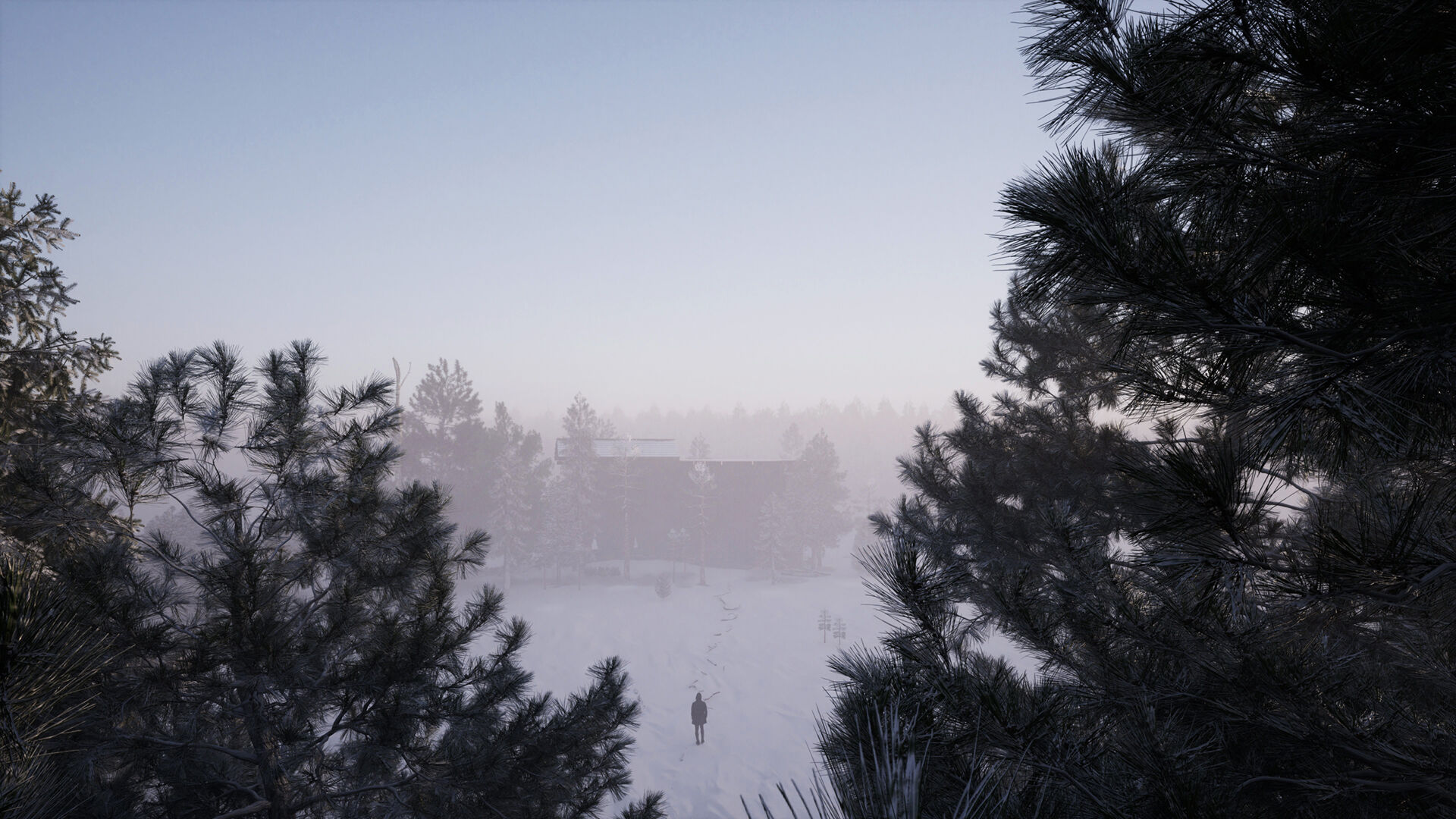
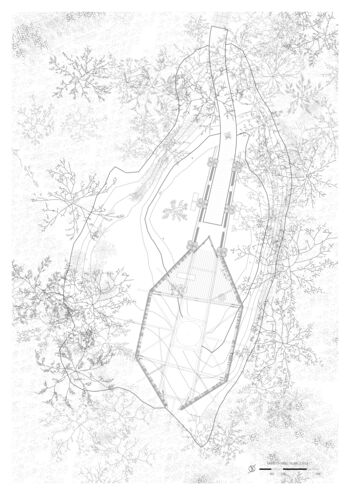
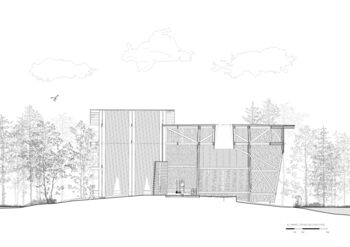
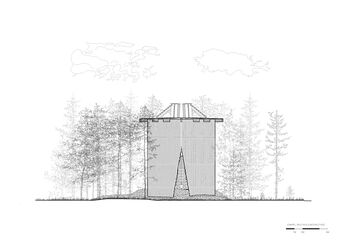
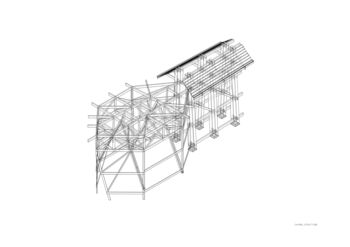
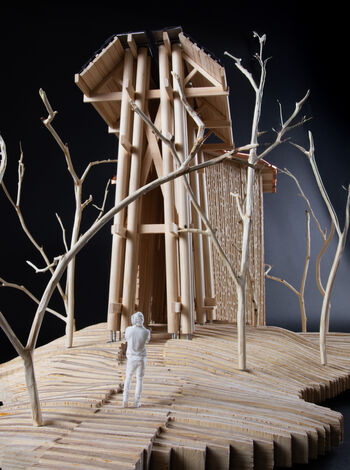
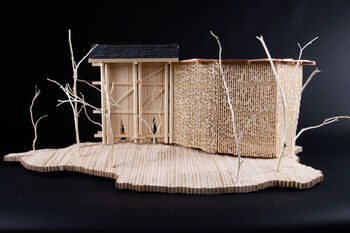
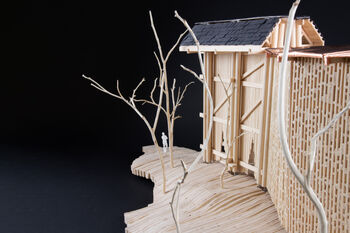
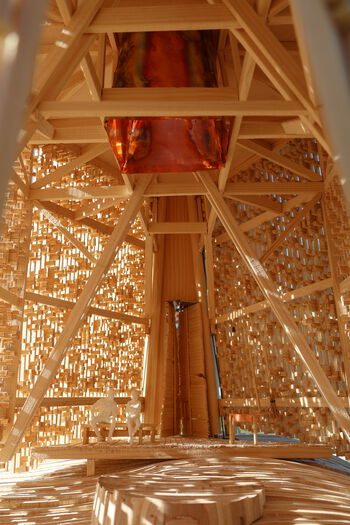
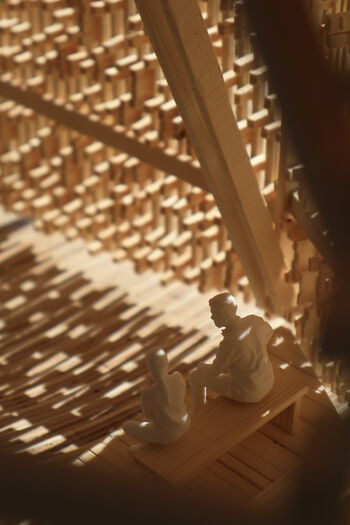
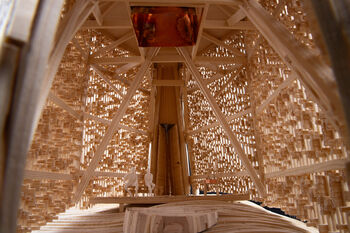
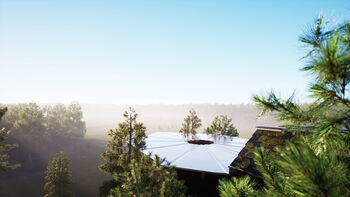
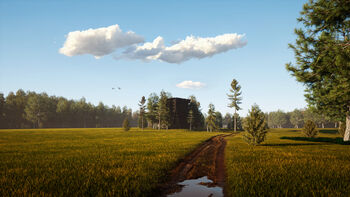
This project seeks to address the growing need for contemplative spaces that transcend religious boundaries in a multicultural and increasingly secular society. By designing a non-denominational chapel and associated spaces, it explores how architecture can foster a sense of peace and introspection. Rooted in a theoretical foundation of modern sacred architecture, the work focuses on how spatial design and materiality can evoke profound emotional and sensory experiences. It aims to push the boundaries of sacred architecture by introducing an open, inclusive approach to spiritual space, while also exploring the relationship between human spirituality and the surrounding landscape.
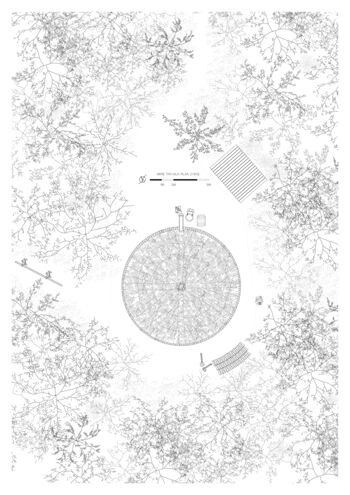
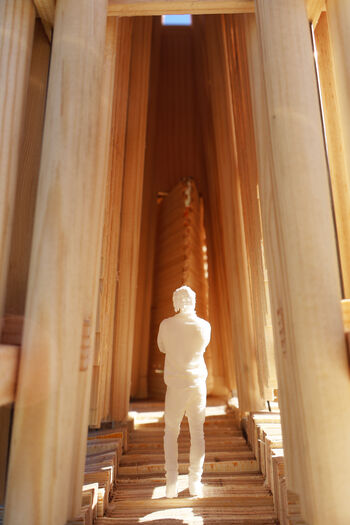
The project envisions a vast, enveloping space — one that stirs awe and invites reflection. Its emptiness is intentional, meant to be filled with thought and prayer. It is not designed as a final destination, but as a pause: a moment of reflection on the journey of life.
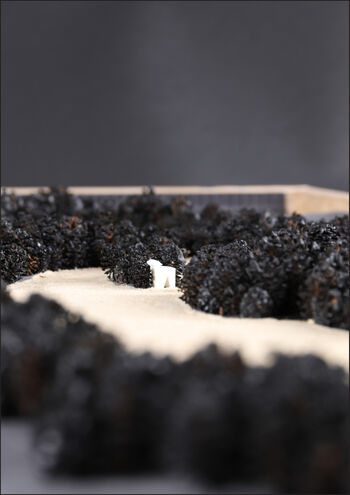
While traditional places of worship often shut the world out, this sanctuary welcomes it in. As Louis Kahn once said, “Nature is the giver of all presence.” And how can we be truly present without the presence of nature?
Amidst the growing discourse on spirituality’s cultural and social relevance, the Sanctuary of Silence offers itself as a reflective threshold — a contribution to the evolving language of sacred space in our multifaith world. Drawing from historical remnants such as stave churches and tar kilns, learning from the precedents of contemporary sacred architecture, and responding to the rising need for places of quiet contemplation, this project reimagines what a sacred space can be today.
"Our task, as architects
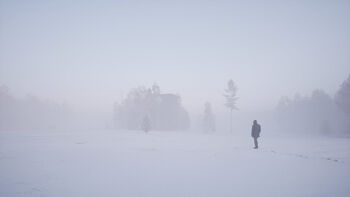
is to lift the fog from eyes — distracted, disoriented —
to frame the presence already there,
so that all might see.
The deep need for stillness.
And so,
as the fog begins to lift,
perhaps we might once again
find space to reflect,
to meditate,
to pray —
and to listen for what the soul has to say
in the Sanctuary of Silence."



Britton, Karla Cavarra, ed. Constructing the Ineffable: Contemporary Sacred Architecture. New Haven, CT: Yale School of Architecture, 2010.
Feireiss, Lukas, and Robert Klanten, eds. Closer to God: Religious Architecture and Sacred Spaces. Berlin: Gestalten, 2010.
Contact
Øzgur Reyhan Yumer / +47 486 41 549 / ozgurymr@gmail.com