Supervisor:
Erik Fenstad Langdalen
Nicholas Ryan Coates
This is a strategic study of a language, that proposes an alternate way to read our built environment: conducting a value-based reading of architecture to highlight its values and uncover the formal opportunities through working with its vocabulary.
Our shared built environment consists of different values, such as knowledge-, experience- and usage-based values. If known and understood, they can be used as a tool to read a building or a place. By conducting a value-based reading of architecture we can discover existing aspects that are worthy to retain and can showcase our built environment as an immense resource of knowledge that can teach us about a larger historical context. It can also uncover experiential values, and if encountered they can tell us about significant qualities deserving of safe keeping. If we focus on our built environment through a pair of adaption-goggles, a value-based reading can guide us towards future ideas and opportunities of usage, letting our built environment live and evolve. Therefore, values need to be found and understood. They need to be presented in a visible and knowledge-forming way to point to their importance for a place’s rich narrative.
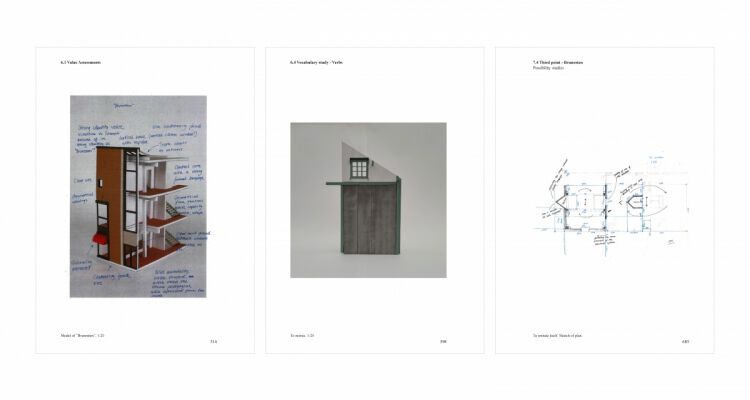
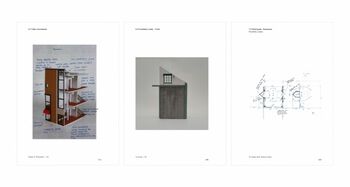
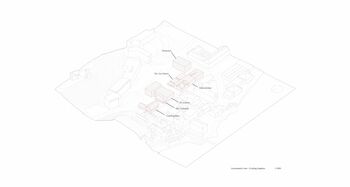
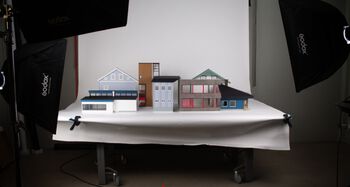
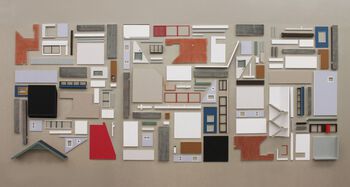
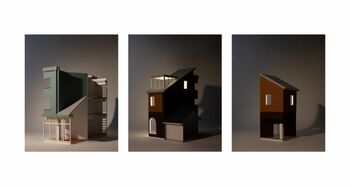
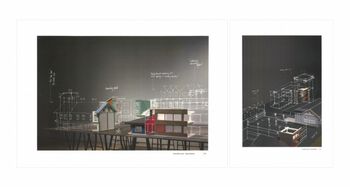
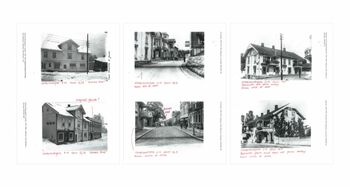
Today´s value assessment processes consist primarily of written analyses of a limited selection of buildings: structures that have been labelled, listed or documented as important for our built heritage. What is not valued enough today, however, are the other buildings that have not reached that level or status of cultural importance. This means that many buildings are demolished without being evaluated, including buildings that already belong to a context and place. We believe all buildings facing demolition should be value assessed beforehand, and through our method of valuation, will allow for a more thorough understanding of what might be lost.
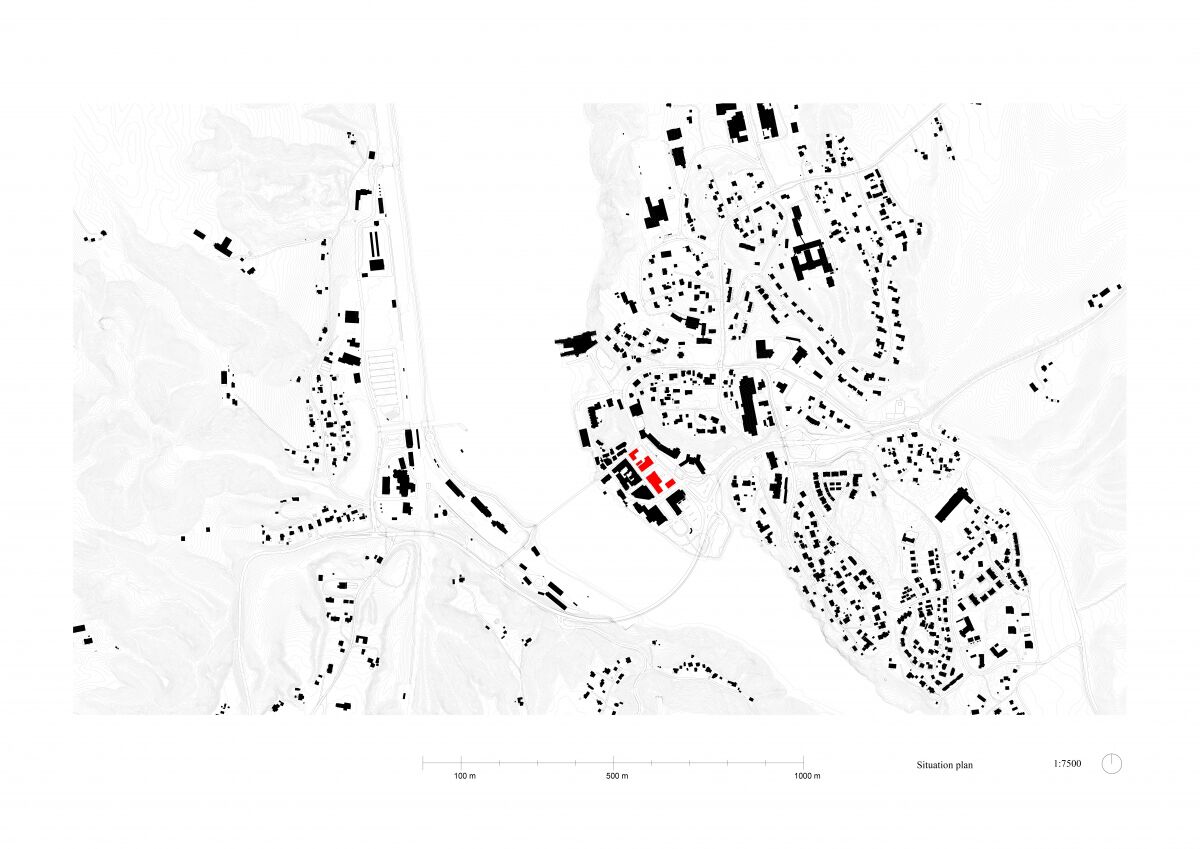
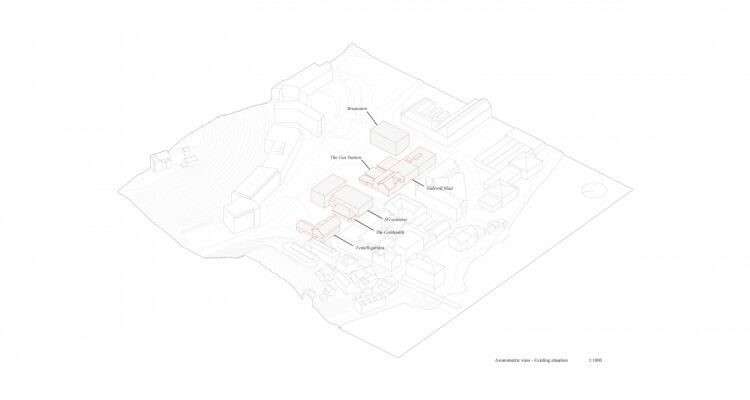
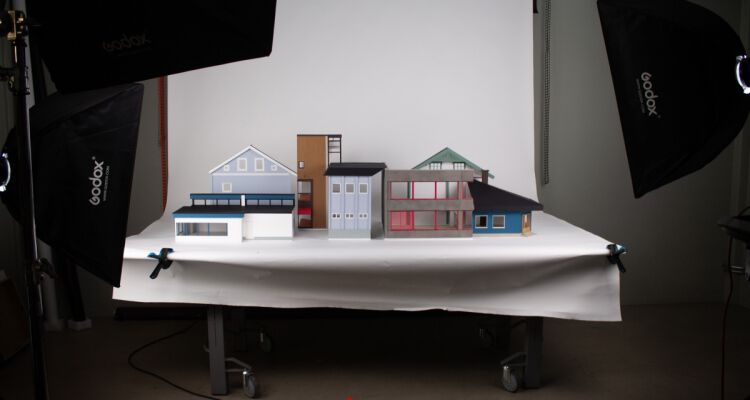
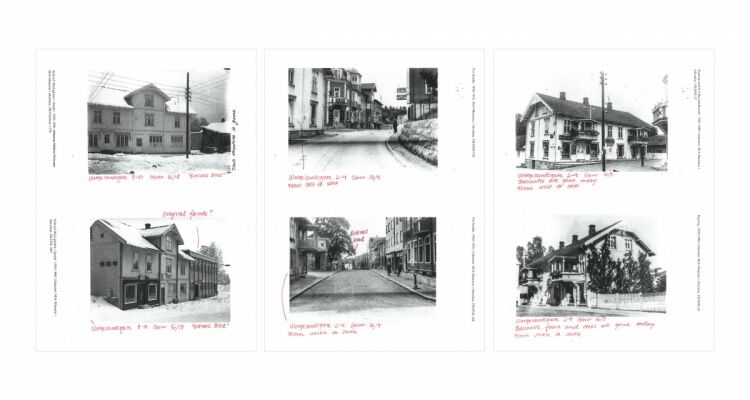
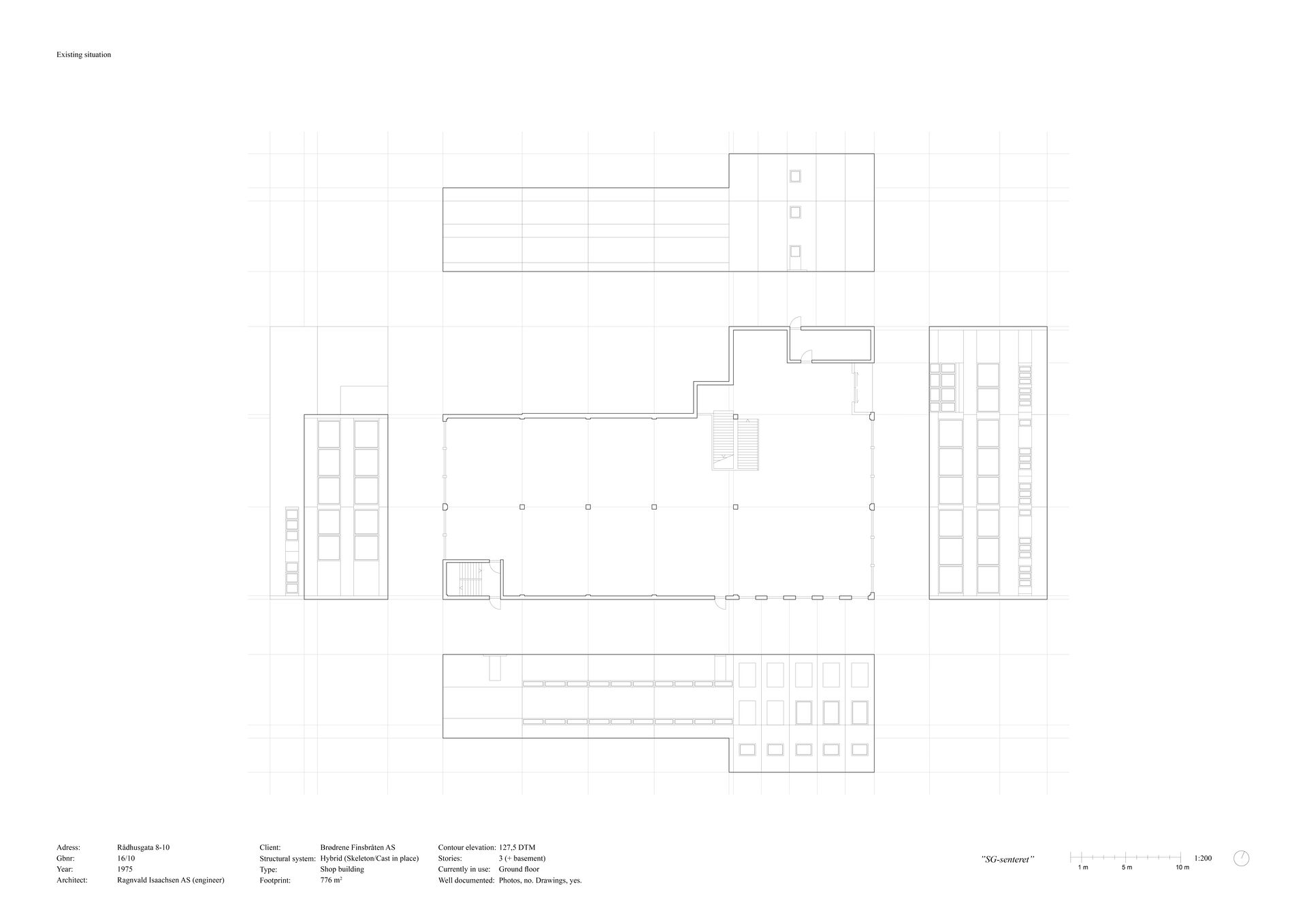
To approach our interests, we have chosen a site to use as a case-study: Sundet, the city center of Eidsvoll. What we find fantastic about Sundet is its readability. The existing volumes are clear representations of how the small town’s cityscape has grown and expanded during different eras. The structures come in different sizes, shapes and colours, and while coming together as what might be perceived as an odd constellation, form a unified whole. They are carriers of the local character, identity and narrative.
Here, six buildings are slated for demolition to make way for a large development. The purpose of the new project is to promote an active urban life with new housing and business opportunities through densification. However, what is not valued enough are the already existing structures and their importance for the readability of the place. They are together imbedded in the areas architectural language. Just like in our spoken language, a vocabulary is the basis. The vocabulary can be assembled in different ways to produce different expressions. If a vocable is missing, it can be borrowed from somewhere else and tweaked to fit that specific language. A vocabulary is what creates the language of a place.

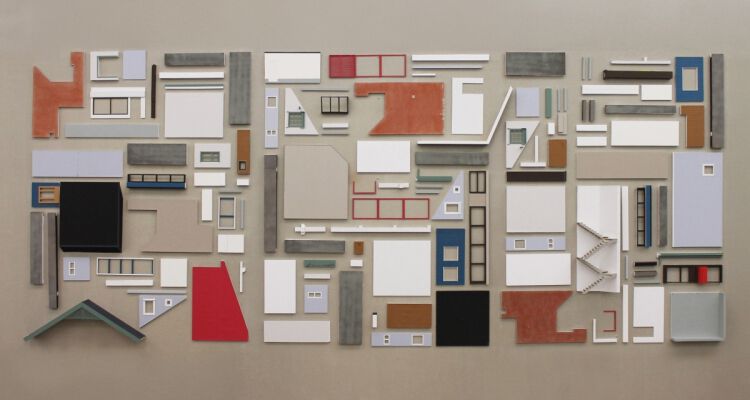
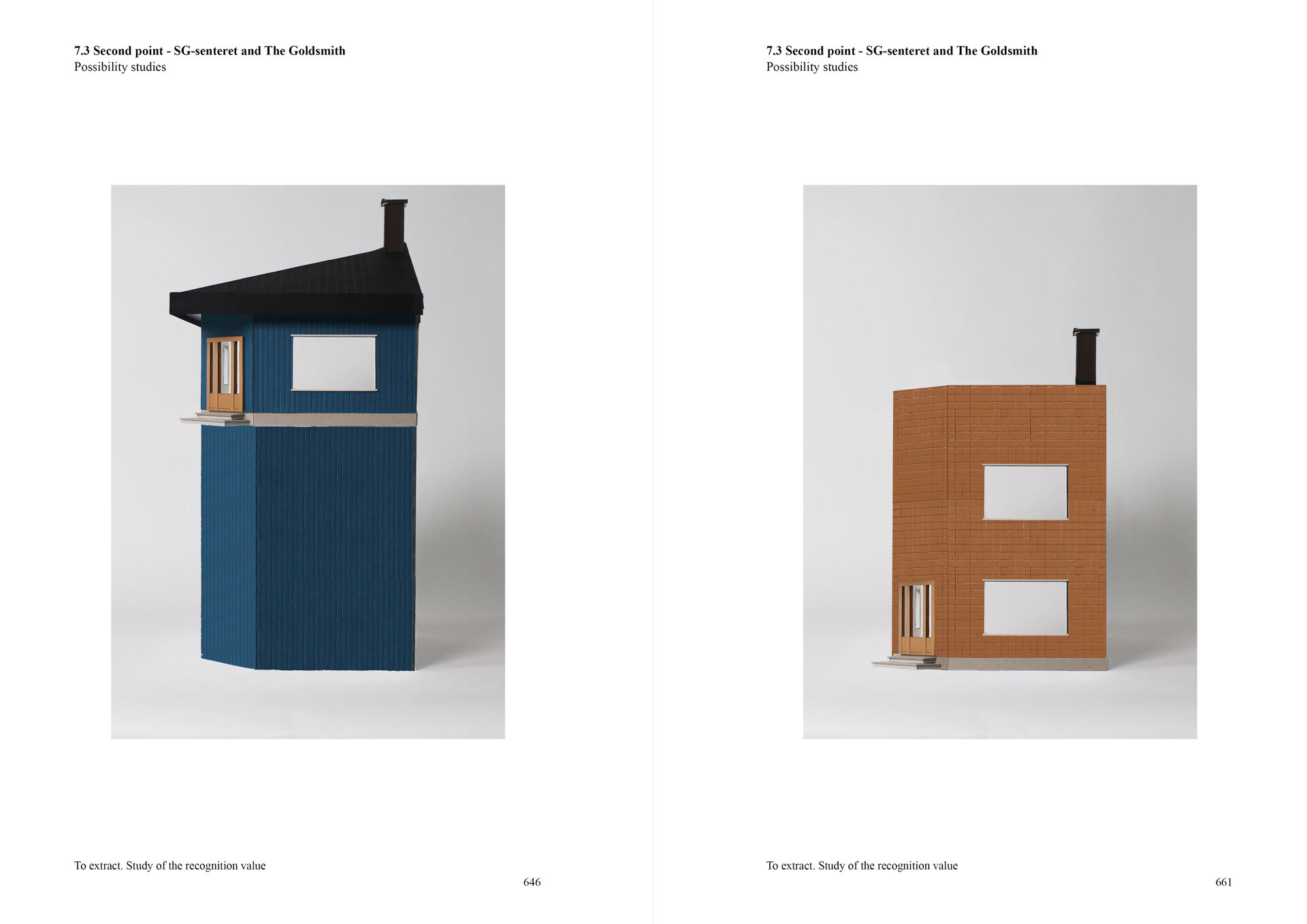
By strategically and architecturally analyzing demolition-threatened buildings through sketches, drawings and models, we attempt to look at the buildings from different angles. How can this study, where existing values are extracted and showcased, change the current perception of the buildings, while also creating a generative vocabulary? How might this harvested vocabulary, derived from existing buildings, evolve to generate new architectural interventions and moments that retain the language’s readability?
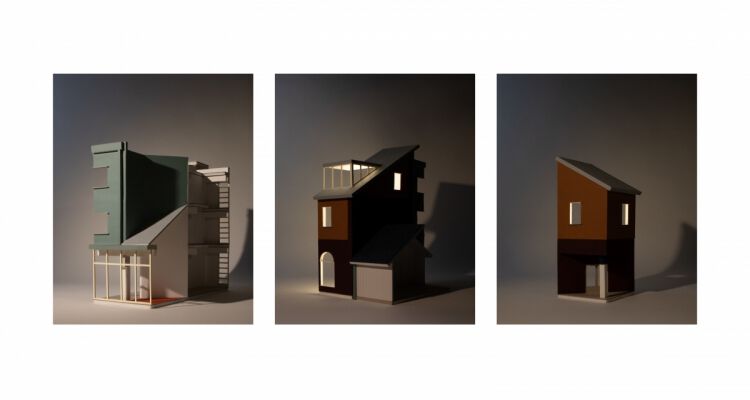
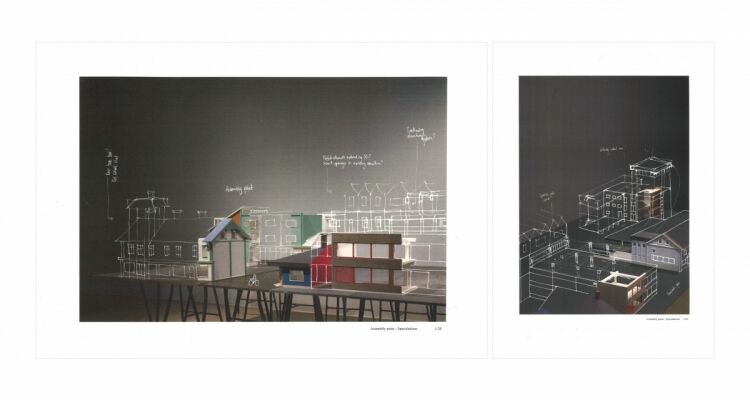
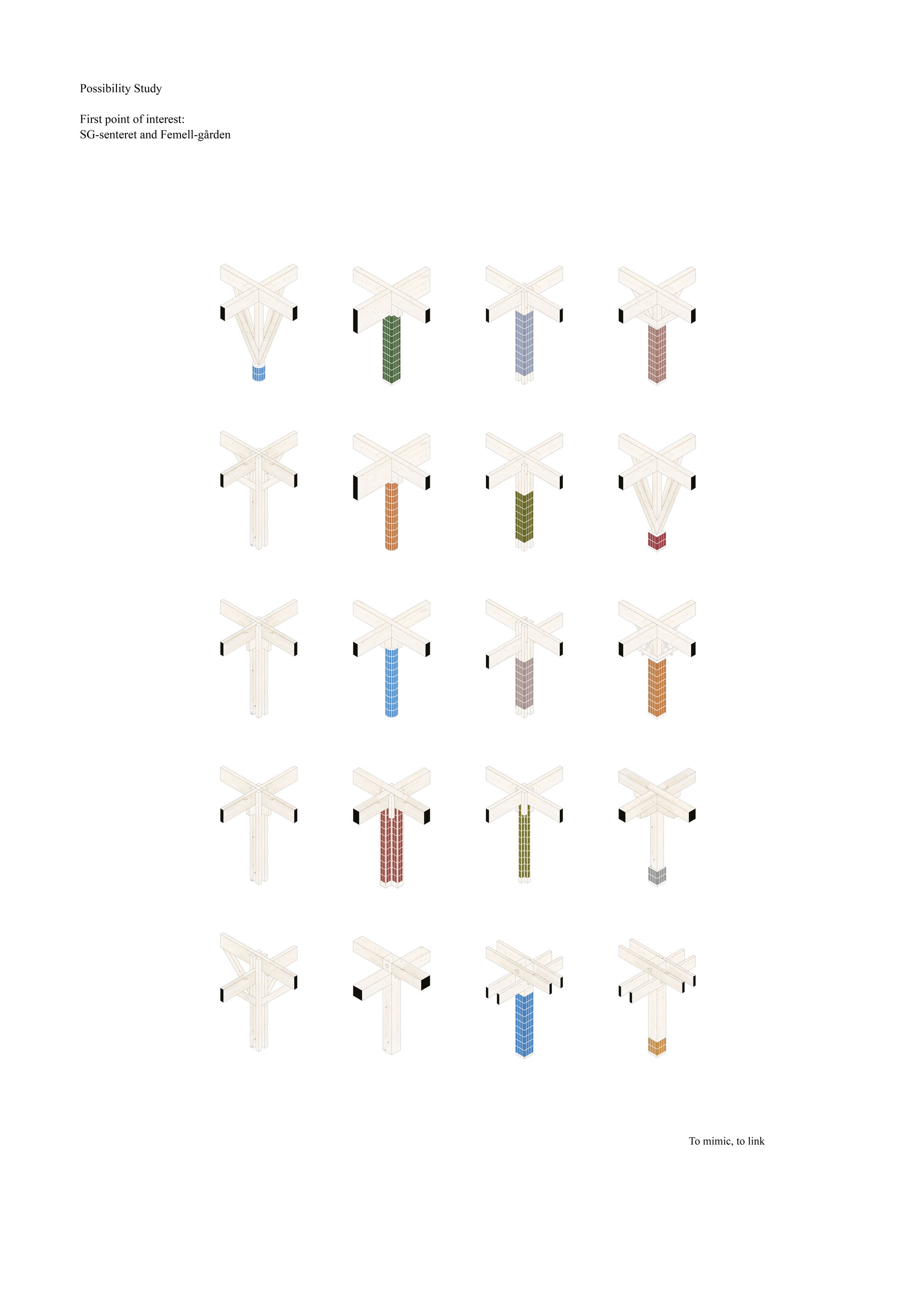
This is a strategic study of a language and its vocabulary. The six buildings facing demolition form the basis of our investigation. We first conducted a value-assessment of each building, based on Riksantikvarens value-assessment method for cultural heritage. This method has its limits when working with buildings without a higher status – they cannot score high. However, what we brought with us from this valuation was its three main categories of value-reading: knowledge that these buildings can teach us, experiences that these buildings can provide, and usage these buildings have. With these three categories, this study then operated at three points of interest on the site in order to see how these existing values could be retained or further enhanced in different ways. These swift tests are what we have called Possibility Studies. Then, by evaluating and extracting our findings from these three points, the vocabulary emerges. In order to summarize our knowledge and begin using this vocabulary, we have conducted a final experiment with a new architectural intervention at one of the points to expand the palette. By assembling the evolved vocabulary derived from our studies and experiments, we aim to see if the readability and values of the place can be retained.
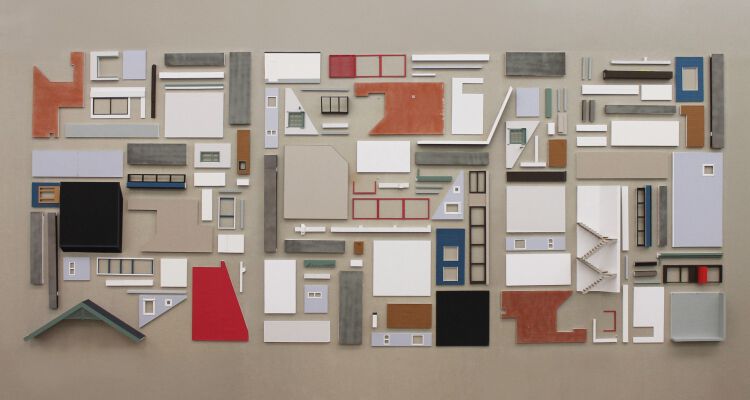
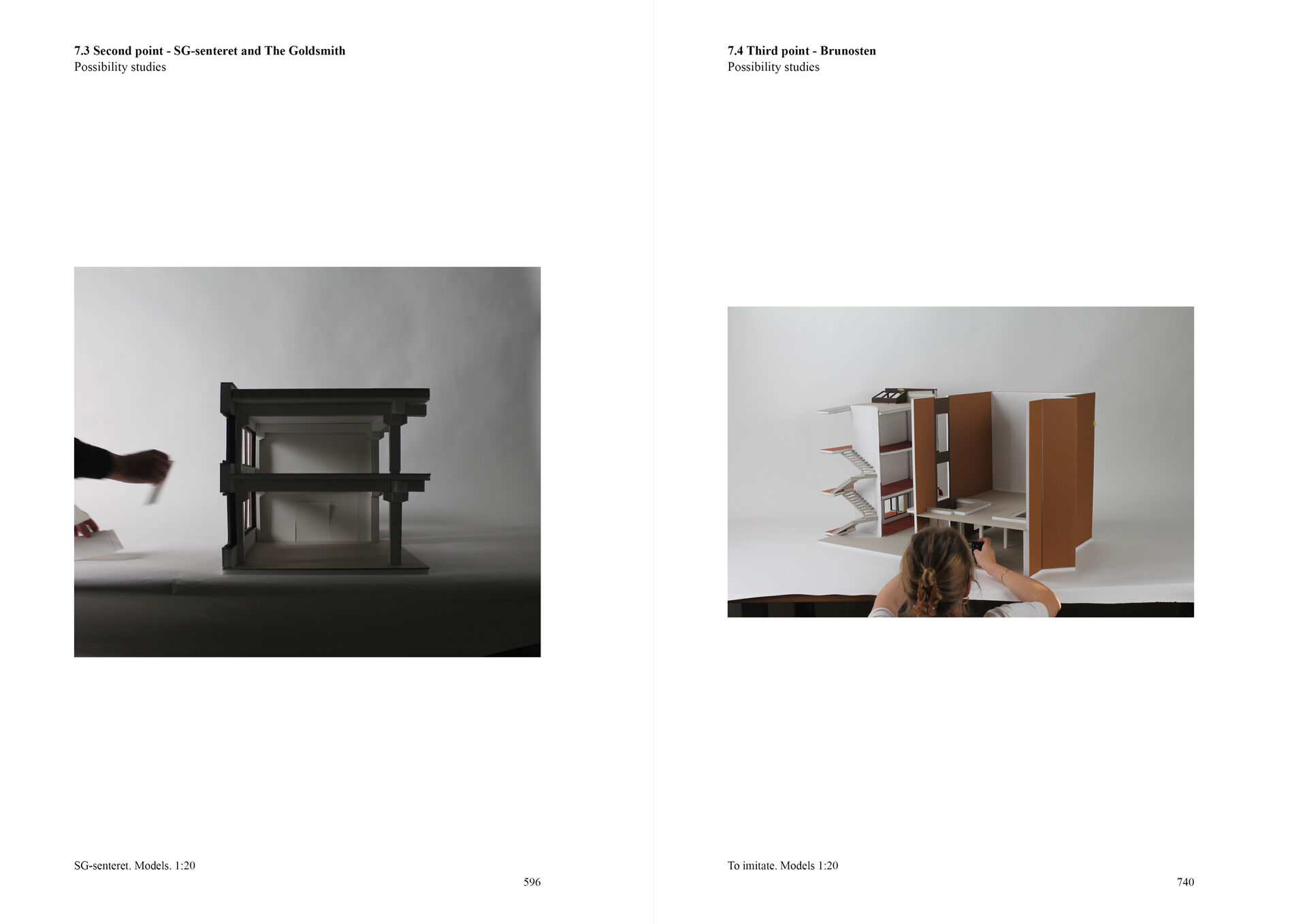
This work has derived from a method of working systematically in phases. Each phase, building and point has been treated and understood in its own special way, but also carried out with the same foundation of a value-based reading. Our models in the scale of 1:20 have been used as a tool throughout the semester. Actively working with them, assembling, disassembling and combining, has continuously shifted our way of viewing the buildings. This format made it possible to look at many possibilities while also being able to understand and showcase their qualities through photographs. The full body of work can be seen as a bank of ideas. Our study is to be understood in its entirety, just as Sundet is understood as a whole.
This study proposes an alternate way to read our built environment: conducting a value-based reading of architecture to highlight its values and uncover the formal opportunities for new architectural interventions through working with its vocabulary. If areas facing large-scale developments viewed their existing buildings in a different way, we believe they could uncover the many valuable aspects that form a specific place’s language and utilize these to build an alternate future.
Contact
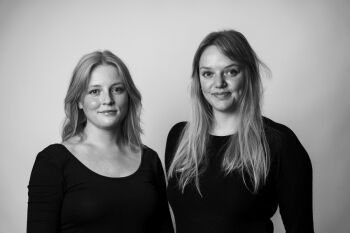
Tora Augland Stølen / torastol@hotmail.com
Mimmie Svensson / svensson.mimmie@gmail.com