
Supervisor:
Lina Elisabeth Broström
While the material expressions can be stored in magazines and displayed in exhibitions, intangible cultural heritage depends on continuous execution and continuation to exist. This diploma investigates how architecture can contribute to disseminating intangible cultural heritage, such as folk music and folk dance, through a case study of a museum in Rauland, Norway.

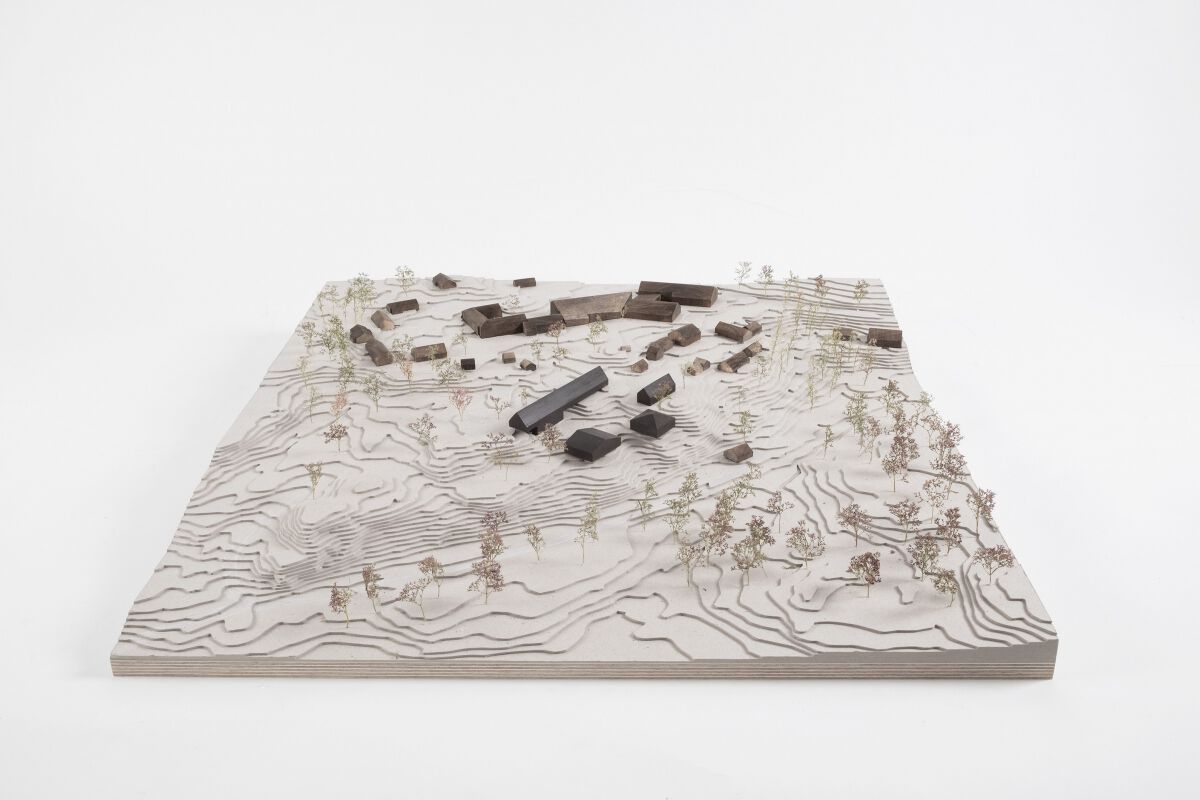
The museum provides spaces for the performance and practice of traditional arts, allowing visitors to engage with and appreciate these cultural traditions. The museum’s architecture reflects the traditions being showcased, incorporating traditional materials and design elements. The museum layout is organized to provide a comprehensive overview of Norwegian folk music and dance, with interactive displays and demonstrations. Building upon an open-air museum typology, the museum is divided into four buildings with different functions and programs.

The main building houses the more technical aspects of the museum and protects fragile artifacts, while the smaller buildings and pavilions provide more intimate settings for transferring knowledge and interactions with cultural bearers. This division allows the museum to be more easily accessible to the local community and to be opened and closed after the seasons.
Overall, the museum’s architecture seeks to facilitate the preservation and dissemination of intangible cultural heritage through engaging and interactive experiences.
Contact

Helene Sellevoll Karlsen / helene.sellevoll@gmail.com / +47 911 29 912